

What Is LCD Phone? Impact On Repairs Explained
Over 90 percent of British adults rely on smartphones with advanced screens every day, yet few really know what powers those crisp images and vivid colors. As mobile devices become part of daily life, understanding the technology behind each LCD phone screen becomes surprisingly relevant. This guide demystifies Liquid Crystal Display technology, breaking down how British smartphone users benefit from evolving display innovations and what sets these screens apart from others on the market.
Table of Contents
- LCD Phone Screens Defined And Explained
- Types Of LCD Displays In Phones
- How LCD Technology Powers Your Device
- Repair, Replacement, And Cost Implications
- LCD Versus OLED: Key Differences
Key Takeaways
| Point | Details |
|---|---|
| LCD Technology | LCD screens use liquid crystal molecules controlled by electrical currents, allowing for precise image rendering. |
| Display Types | Main types include TFT, STN, TN, and SLCD, each with unique advantages and limitations affecting performance and cost. |
| Repair Considerations | Different LCD technologies have varying repair complexities and costs, influencing service strategies. |
| LCD vs OLED | LCDs generally offer more reliable performance and stability over time, while OLEDs provide thinner designs and higher refresh rates. |
LCD Phone Screens Defined And Explained
Liquid Crystal Display (LCD) technology powers the visual experience of modern smartphones, transforming how we interact with digital devices. Thin-film transistor displays represent a sophisticated visual technology that enables sharp, vibrant screen performance across mobile devices.
At its core, an LCD screen functions through an intricate system of liquid crystal molecules that change their optical properties when electrical currents are applied. These liquid crystal molecules are sandwiched between polarised glass panels, creating a dynamic display mechanism that allows for precise pixel manipulation. The super-twisted nematic (STN) display technology significantly improved early screen designs by enabling molecules to twist at much broader angles between 180 and 270 degrees, resulting in sharper and more responsive imaging.
Modern LCD phone screens typically utilise two primary display technologies: Thin-Film Transistor (TFT) and Super Twisted Nematic (STN). Each technology offers distinct advantages for mobile displays:
- TFT LCD: Provides superior image quality with enhanced addressability and contrast
- STN LCD: Offers more efficient passive matrix pixel control
- Improved colour reproduction and viewing angles
- Enhanced power efficiency compared to older display technologies
The evolution of LCD screens represents a remarkable journey in mobile display engineering, transforming how users experience digital content through increasingly sophisticated visual technologies.
Types Of LCD Displays In Phones
Mobile phone displays have evolved significantly, with multiple LCD technologies offering unique characteristics for smartphone users. The primary LCD display types include Twisted Nematic (TN), Vertical Alignment (VA), and Super LCD (SLCD), each presenting distinct advantages and limitations for mobile device screens.
Twisted Nematic (TN) Displays represent the most economical LCD technology, particularly popular among budget-friendly smartphones. These displays are characterised by faster response times, making them attractive for gaming-oriented devices. However, TN displays come with notable drawbacks, including poor colour reproduction, limited viewing angles, and reduced contrast ratios.
Super LCD (SLCD) technology offers a more sophisticated approach to mobile displays. Pioneered by manufacturers like HTC, SLCD screens eliminate the air gap between the outer glass and display element, resulting in several key improvements:
- Reduced screen glare
- Enhanced outdoor visibility
- Lower power consumption
- Sharper text and video details
Vertical Alignment (VA) panels represent another significant LCD display variant, positioned between TN and In-Plane Switching (IPS) technologies. VA displays excel in colour reproduction and viewing angles, providing superior visual performance compared to traditional TFT displays. Despite their advantages, VA panels typically consume more electrical power, which can impact overall device battery life.
The continuous evolution of LCD display technologies demonstrates the mobile industry’s commitment to delivering increasingly refined visual experiences for smartphone users.
How LCD Technology Powers Your Device
Thin-film transistor LCD technology represents a sophisticated electronic marvel that transforms electrical signals into vibrant visual displays across numerous electronic devices. These remarkable displays convert complex electrical inputs into precise pixel representations, enabling smartphones, tablets, and other digital interfaces to render crisp, dynamic images with exceptional clarity.
At the core of LCD functionality lies an intricate system of liquid crystal molecules that manipulate light transmission through precise electrical currents. Liquid crystal molecules act like microscopic light valves, rotating and shifting to control pixel transparency and colour intensity. This dynamic process allows screens to generate millions of colour combinations and brightness levels, creating the rich visual experiences we’ve come to expect from modern electronic devices.
The versatility of LCD technology extends far beyond mobile phones. Transflective display systems demonstrate the technology’s remarkable adaptability, particularly in environments with varying light conditions:
- Bright sunlight readability
- Low-light performance
- Energy-efficient operation
- Adaptive illumination management
Modern LCD screens incorporate sophisticated optical layers that can reflect and transmit light simultaneously, enabling displays to function optimally across diverse environmental conditions. These advanced displays can automatically adjust their illumination, ensuring optimal visibility whether you’re using your device in bright daylight or a dimly lit room.
The continuous innovation in LCD technology underscores the remarkable engineering behind our digital interfaces, transforming how we interact with and perceive electronic information.
Repair, Replacement, And Cost Implications
LCD display technologies present unique challenges and considerations for smartphone repair professionals and enthusiasts. Understanding the nuanced differences between display types is crucial for making informed decisions about screen repairs and replacements, with each technology presenting distinct structural and financial implications.
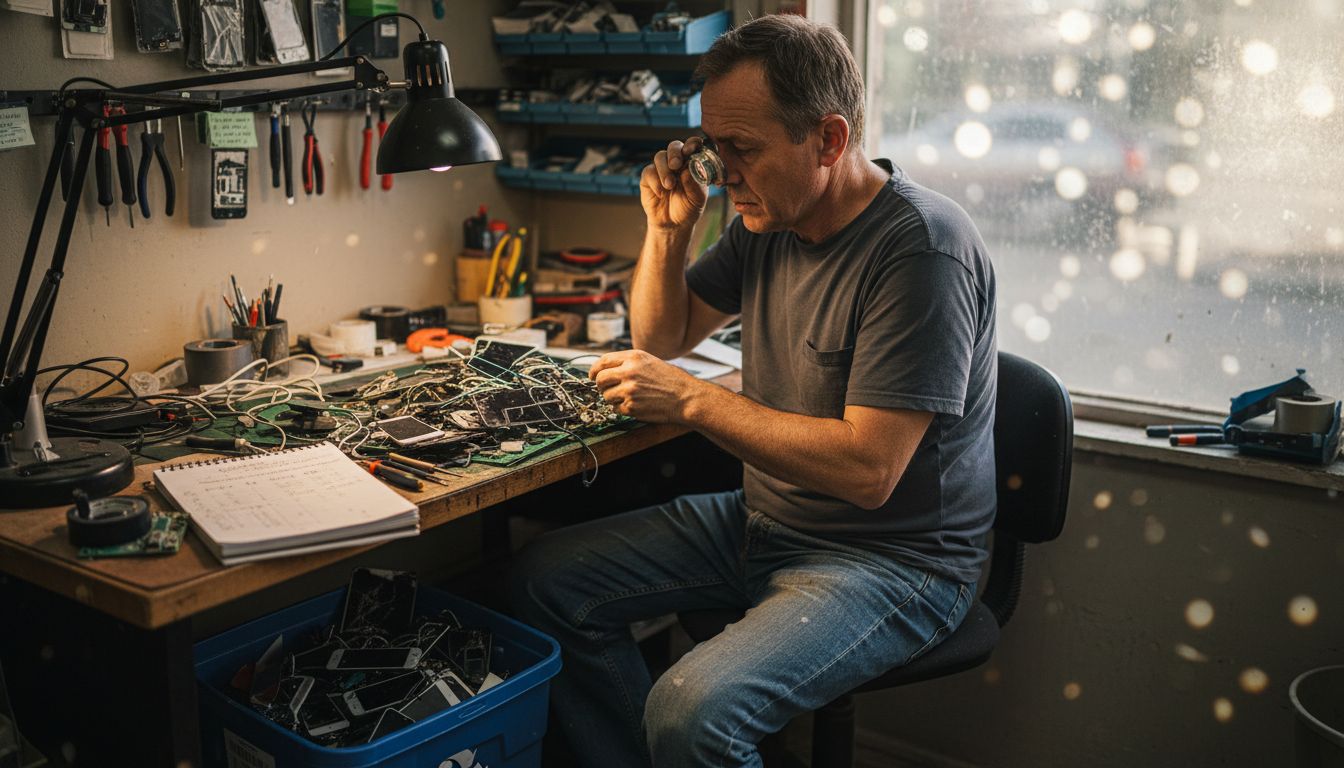
Display Technology Variations significantly impact repair complexity and cost. Different LCD variants like TFT-LCD and IPS-LCD offer varying levels of repairability and component accessibility. Technicians must consider factors such as pixel transistor configuration, viewing angles, and power consumption when assessing potential repair strategies.
The technological differences between display types directly influence repair expenses:
- TFT-LCD screens typically have lower replacement costs
- IPS-LCD displays offer improved visual quality
- Advanced display technologies require specialised repair techniques
- Component availability varies across different screen types
Comparative display research reveals critical insights into repair challenges. For instance, OLED screens have shorter lifespans compared to traditional LCD displays, potentially increasing long-term maintenance expenses. Technicians must evaluate pixel defects, screen refresh rates, and material degradation when determining repair feasibility.
Navigating the complex landscape of smartphone display repairs requires a comprehensive understanding of technological nuances, material constraints, and economic considerations. Professionals must balance technical expertise with cost-effective solutions to provide optimal repair services.
LCD Versus OLED: Key Differences
Display technologies reveal profound differences between LCD and OLED screens, each offering unique characteristics that significantly impact smartphone performance and user experience. Understanding these technological nuances helps consumers and repair professionals make informed decisions about device displays and potential replacements.
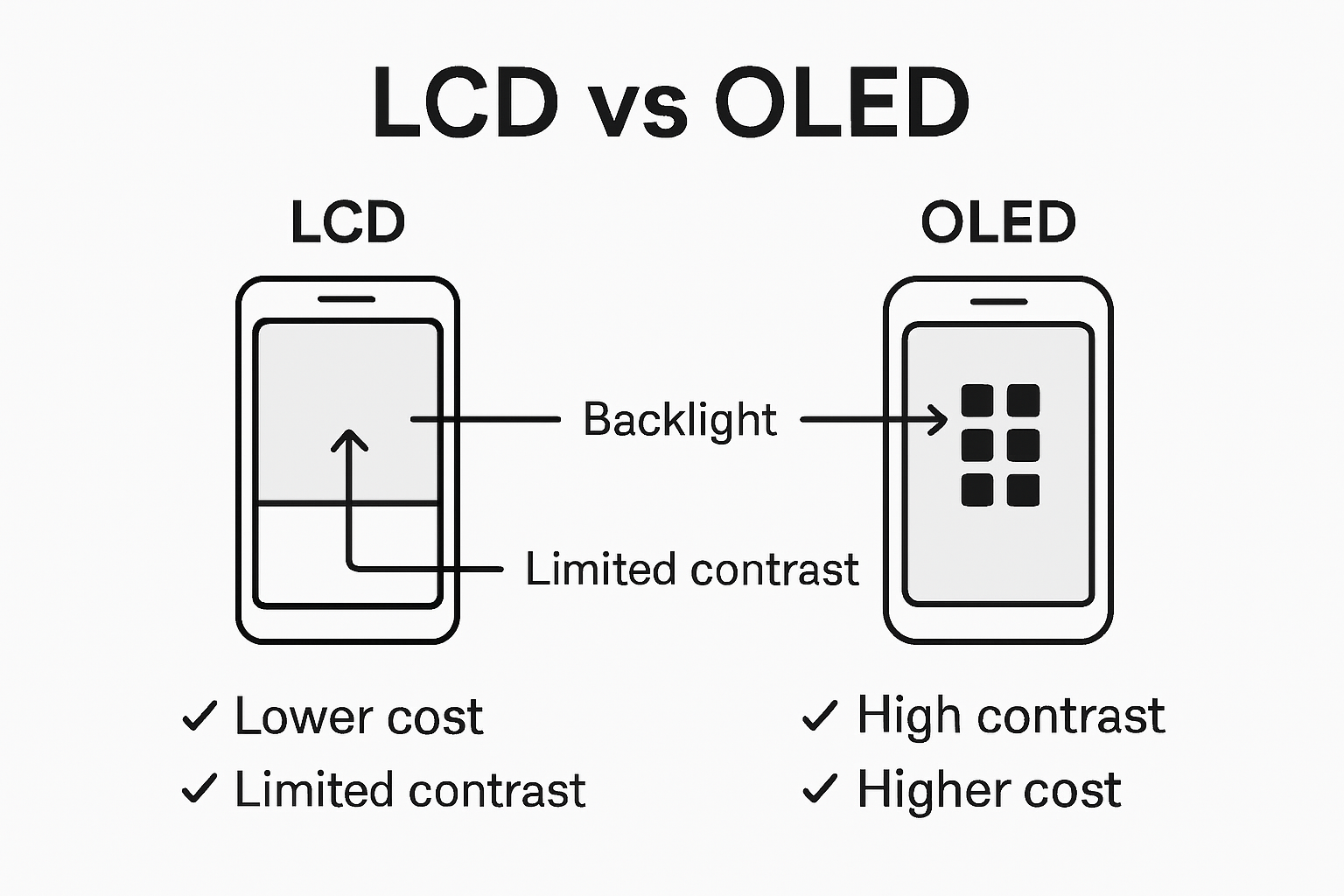
Structural Composition distinguishes these display technologies fundamentally. LCD screens utilise liquid crystal molecules and require backlighting, whereas OLED displays emit light directly through organic materials. This core difference results in variances in thickness, power consumption, and visual performance that dramatically influence device design and functionality.
Key comparative characteristics include:
- OLEDs are significantly thinner than LCD screens
- LCD displays offer more consistent long-term reliability
- OLED screens provide higher screen refresh rates
- LCD technologies demonstrate more stable colour reproduction
Innovative display research highlights critical power consumption challenges with OLED technologies. Organic light-emitting diodes consume dramatically different power levels depending on displayed colours, making them potentially less efficient for devices with predominantly bright interface elements. The blue organic materials in OLED screens also demonstrate shorter lifespans compared to traditional LCD display components.
Navigating display technology requires understanding these intricate trade-offs between visual performance, power efficiency, and long-term durability. Repair professionals and consumers must carefully evaluate these technological differences to make optimal device selection and maintenance decisions.
Expert Solutions for LCD Phone Screen Repairs Made Easy
Understanding the complex nature of LCD phone displays, including TFT and STN technologies, highlights how crucial precise replacement parts are for successful repairs. Whether you face challenges due to fragile liquid crystal layers, varying backlight requirements, or power efficiency concerns, having access to high-quality components and expert advice is essential. At Buy2fix, we stock a comprehensive range of LCD screens and display assemblies designed to meet these specific technical demands, helping you restore your device with confidence.
Don’t let the intricacy of LCD technology slow your repair process. Take advantage of our free UK Mainland shipping and rigorous quality assurance to receive dependable parts quickly. Explore our extensive inventory of mobile phone repair parts and other specialised components to match the exact specifications of your device. Visit Buy2fix today and secure the durable, compatible parts needed to get your screen looking and functioning like new. Act now for reliable repairs that keep pace with modern LCD technology.
Frequently Asked Questions
What is an LCD phone screen and how does it work?
An LCD (Liquid Crystal Display) phone screen uses liquid crystal molecules sandwiched between polarised glass panels. When electrical currents are applied, these molecules change optical properties, allowing precise pixel manipulation and creating sharp images.
What are the main types of LCD displays in mobile phones?
The primary types of LCD displays in mobile phones include Twisted Nematic (TN), Super LCD (SLCD), and Vertical Alignment (VA). Each type has distinct characteristics, such as response times, colour reproduction, and viewing angles that affect user experience.
How does the repair process differ between TFT-LCD and IPS-LCD screens?
The repair process for TFT-LCD screens is generally simpler and costs less due to their lower complexity and component accessibility. In contrast, IPS-LCD displays may require more advanced repair techniques due to their superior visual quality and design intricacies.
What are the key differences between LCD and OLED displays?
LCD displays use liquid crystals and require backlighting, while OLED displays emit light directly through organic materials. This results in OLEDs being thinner and providing higher refresh rates, whereas LCDs offer more consistent long-term reliability and stable colour reproduction.
Recommended
- What Is a LCD in a Phone? Complete Guide – buy2fix
- Understanding What is an LCD Display: A Comprehensive Guide – buy2fix
- What is a Replacement LCD? Understanding Key Concepts – buy2fix
- Understanding LCD Screen Replacement Guide for Electronics – buy2fix
- DLP vs LCD: Panduan Lengkap Teknologi Projektor - Projector Display
Let customers speak for us
For Samsung Galaxy A26 SM-A266B Original Earpiece Speaker with Cable

Very good communication throught. Good product

Well made part very strong easy to fit great value for the money

Well packed, with fast shipping :)

Exactly what the doctor ordered…great color, comfort, and durability. Trust this watch band!

Brilliant strap, second purchase, bought bracelet before. Excellent value. Thank you

Great item for splitting your Audio signal

Outstanding product!
Next level customer service.

Very satisfied but the delivery needs to get more faster...

Good price,quick delivery

Best phone case ever! This is my second one as I broke my first. Would defo recommend

Great fitting Apple Watch bands

For Apple Watch Ultra 3 / 2 / 1 49mm RedPepper Armor Metal Case Integrated Silicone Watch Band(Steel Black White)

Good price and quick postage

