

What Is a LCD in a Phone? Complete Guide
Over 1.6 billion mobile phones are shipped worldwide every year, and a significant number use LCD screens as their primary display. For british consumers, understanding what sets LCD technology apart helps with everything from choosing the right device to planning affordable repairs. This guide explains how LCD screens work in mobile phones, their main types, and why they remain a favorite among smartphone makers despite advances in newer display technologies.
Table of Contents
- Defining Lcd Screens In Mobile Phones
- Types Of Lcd Displays Used In Phones
- How Lcd Technology Functions In Devices
- Lcd Versus Other Mobile Screen Technologies
- Repair, Replacement, And Cost Considerations
Key Takeaways
| Point | Details |
|---|---|
| LCD Technology Basics | LCD screens utilise liquid crystals and backlighting to produce images, offering energy efficiency and good colour reproduction. |
| Types of LCD Displays | Distinct types of LCDs, including TN, IPS, and SLCD, provide varying performance characteristics suited for different user needs. |
| LCD vs Other Technologies | LCDs are generally more affordable and less power-hungry compared to OLED displays, but they may lack in vibrancy and contrast. |
| Repair and Cost Insights | LCD repairs tend to be more economical than OLED, with costs dependent on device complexity and technician expertise. |
Defining LCD Screens in Mobile Phones
Liquid Crystal Displays (LCDs) represent a fundamental technology in mobile phone screens, offering users a window into their digital world. These displays work through a sophisticated mechanism of liquid crystal manipulation that transforms electrical signals into visible images. At their core, LCD screens consist of multiple layers working in precise harmony to generate the vibrant visuals we see on our smartphone displays.
The fundamental operation of LCD screens involves a backlight shining through strategically arranged liquid crystal molecules. These molecules act like microscopic light valves, controlling the amount of illumination that passes through colour filters to create distinct pixel colours and brightness levels. When an electrical current is applied, these liquid crystals rotate and adjust their alignment, effectively blocking or allowing light to pass through, which generates the images you see on your mobile phone screen.
Key characteristics of LCD screens in mobile phones include:
- Energy efficiency compared to older display technologies
- Relatively lower manufacturing costs
- Consistent brightness across different viewing angles
- Good colour reproduction capabilities
While LCDs have been a staple in mobile technology for years, they do have some limitations. The technology requires a constant backlight, which can consume more power and potentially create slightly thicker device profiles compared to newer display technologies like OLED. However, for many smartphone manufacturers and consumers, the cost-effectiveness and reliable performance of LCD screens continue to make them an attractive display option.
Understanding how these displays function provides insight into the intricate engineering behind our everyday mobile devices, transforming complex electrical signals into the visual experiences we often take for granted.
Types of LCD Displays Used in Phones
Mobile phone manufacturers have developed several distinct LCD display technologies, each with unique characteristics designed to enhance visual performance and user experience. Twisted Nematic (TN) panels represent one of the earliest and most economical LCD display types, offering fast response times but compromising on viewing angles and colour reproduction.
Advanced LCD technologies have emerged to address the limitations of earlier display types. In-Plane Switching (IPS) LCD panels provide significantly improved colour accuracy and wider viewing angles, making them a popular choice for smartphones seeking superior visual quality. Another notable variant is the Super LCD (SLCD) technology, which eliminates the gap between the outer glass and touch sensor, resulting in enhanced display clarity and performance.
Key types of LCD displays found in mobile phones include:
-
Twisted Nematic (TN) Panels
- Lowest cost option
- Fastest response times
- Limited viewing angles
-
Vertical Alignment (VA) Panels
- Better colour reproduction
- Improved viewing angles
- Higher power consumption
-
In-Plane Switching (IPS) Panels
- Superior colour accuracy
- Wide viewing angles
- Balanced performance
-
Super LCD (SLCD)
- Reduced glass layer interference
- Enhanced display clarity
- Improved touch responsiveness
The evolution of LCD display technologies demonstrates manufacturers’ continuous efforts to balance performance, visual quality, and manufacturing costs. While newer display technologies like OLED are gaining popularity, LCD screens remain a reliable and cost-effective solution for many smartphone models, offering a compelling mix of performance and affordability for consumers across different market segments.
Understanding these display variations helps consumers and repair professionals make informed decisions about screen selection, replacement, and maintenance, ensuring optimal visual experience and device functionality.
How LCD Technology Functions in Devices
Liquid Crystal Display (LCD) technology operates through a sophisticated mechanism of light manipulation that transforms electrical signals into visible images. At its core, the technology relies on a complex interplay between liquid crystals, polarising filters, and a consistent backlight source to create the vibrant displays we see in modern electronic devices.
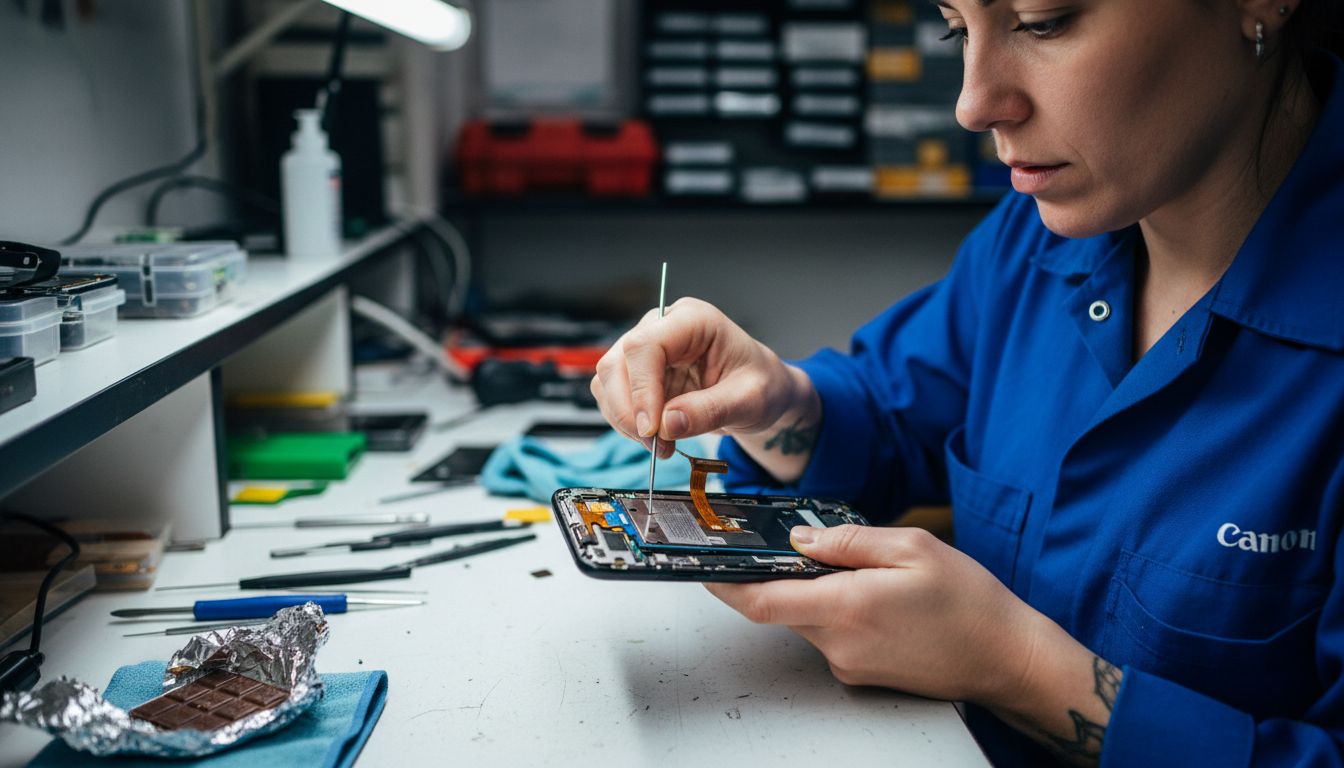
The fundamental functioning of LCD screens involves multiple intricate layers working in precise synchronisation. When an electrical current is applied, liquid crystal molecules rotate and adjust their alignment, effectively controlling the amount of light passing through colour filters. This precise molecular movement allows the display to modulate light intensity and create the pixels that form images on the screen.
Key components in LCD technology include:
-
Backlight Layer
- Provides consistent illumination
- Usually LED or fluorescent
- Enables display visibility
-
Liquid Crystal Layer
- Contains microscopic crystal molecules
- Rotates in response to electrical signals
- Controls light transmission
-
Polarising Filters
- Positioned at specific angles
- Filter and direct light waves
- Enhance image clarity
-
Colour Filters
- Create red, green, and blue pixels
- Generate full colour spectrum
- Determine colour reproduction quality
The technological complexity of LCD displays highlights the remarkable engineering behind modern visual technologies. While the mechanism might seem straightforward, the precision required to manipulate liquid crystal molecules and generate high-quality images is a testament to advanced electronic design. Understanding these intricate processes helps appreciate the sophisticated technology powering our everyday electronic devices.
LCD Versus Other Mobile Screen Technologies
Mobile screen technologies represent a complex landscape of competing display solutions, each with distinct advantages and limitations. LCD screens have long been a staple in mobile device manufacturing, offering reliable performance and cost-effective production compared to newer display technologies like OLED and AMOLED.
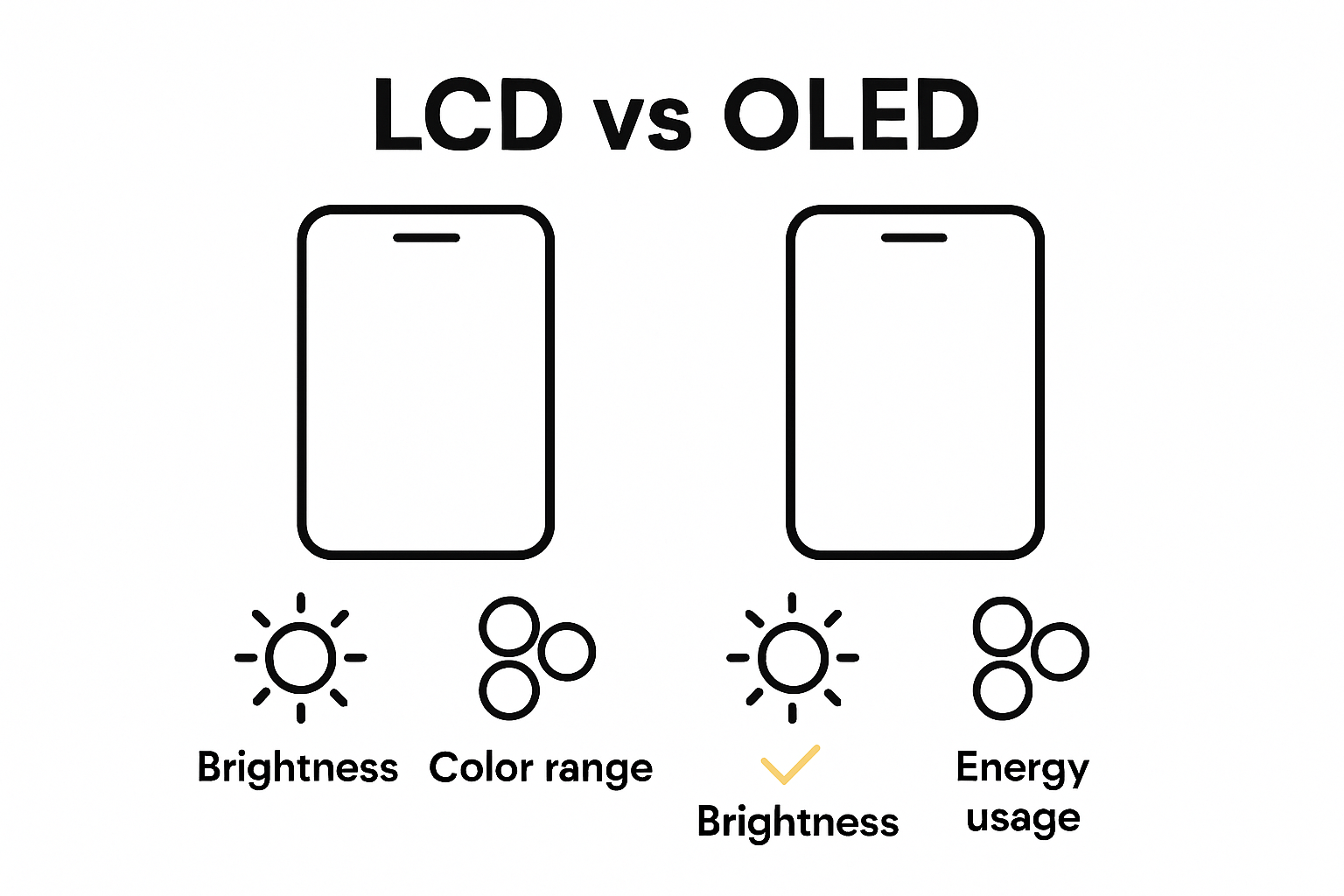
When comparing LCD with alternative display technologies, several key differences emerge. OLED displays offer superior image quality, featuring deeper blacks and more vibrant colours by generating light directly through each pixel. In contrast, LCD screens rely on a consistent backlight, which can result in less dynamic contrast and slightly reduced colour saturation.
Key comparative features between LCD and other screen technologies include:
-
LCD Advantages
- More budget-friendly pricing
- Lower power consumption
- Greater durability
- Less susceptible to image retention
-
OLED Advantages
- Superior colour reproduction
- Deeper black levels
- Thinner device profiles
- More flexible screen design
-
Performance Trade-offs
- LCDs provide stable, consistent image quality
- OLEDs deliver more vivid visual experiences
- Brightness and colour accuracy vary significantly
While emerging technologies continue to challenge traditional LCD displays, these screens remain a practical and reliable choice for many smartphone manufacturers and consumers. The ongoing technological evolution ensures that each display type offers unique benefits, catering to different user preferences and budget constraints. Understanding these nuanced differences helps consumers make informed decisions when selecting mobile devices based on their specific display technology requirements.
Repair, Replacement, and Cost Considerations
LCD screen repairs represent a critical consideration for mobile device owners, with cost and complexity varying significantly depending on screen technology and device model. Understanding the nuanced landscape of screen repair can help consumers make informed decisions about maintaining their mobile devices while managing repair expenses.
The financial implications of screen replacement differ substantially between LCD and alternative display technologies. Modern smartphone screens present increasingly complex repair challenges, with LCD screens generally offering more budget-friendly replacement options compared to their OLED counterparts. Factors influencing repair costs include display technology, device age, manufacturer specifications, and availability of replacement components.
Key considerations for LCD screen repair and replacement include:
-
Cost Factors
- Screen technology complexity
- Device manufacturer
- Availability of replacement parts
- Repair technician expertise
-
Repair Options
- Professional repair services
- Manufacturer warranty replacements
- Independent repair shops
- Do-it-yourself repair kits
-
Cost Range Estimates
- Basic LCD screen: £50-£150
- Mid-range smartphone screens: £100-£250
- High-end device screens: £250-£500
Professional repair technicians recommend carefully evaluating repair costs against device value, considering factors like age, performance, and potential future repair requirements. While LCD screens offer more economical replacement options, consumers should always compare professional repair quotes, assess warranty coverage, and consider the long-term reliability of replacement components. Understanding these nuanced considerations empowers mobile device owners to make strategic decisions about screen maintenance and replacement.
Ready to Replace Your Broken LCD Screen with Confidence
If your mobile phone’s LCD screen shows signs of damage or dimness, understanding the LCD technology and its types is only the first step. The real challenge lies in finding high-quality replacement parts that restore your device’s vibrant display and functionality without overspending. At Buy2fix, we specialise in providing a wide selection of LCD screens and display assemblies for major brands such as iPhone, Samsung Galaxy, Huawei, and more. Every part we offer meets strict quality controls to ensure durability and colour accuracy, so you can trust your repair will deliver reliable and professional results.
Take control of your device’s visual experience now by visiting our comprehensive range of Mobile Phone Repair Parts. Whether you are a seasoned DIY enthusiast or a professional technician, Buy2fix guarantees support with free UK mainland shipping, a 30-day return policy, and a one-year warranty on all parts. Don’t let a faulty LCD limit your phone’s potential — explore our inventory and invest in quality repairs today at Buy2fix to bring your mobile device back to life.
Frequently Asked Questions
What is an LCD screen in a phone?
An LCD (Liquid Crystal Display) screen is a type of display technology used in mobile phones that relies on liquid crystal molecules to manipulate light and produce images. It typically consists of multiple layers, including a backlight, liquid crystal layer, polarising filters, and colour filters.
What are the advantages of LCD screens compared to OLED screens?
LCD screens are generally more budget-friendly, have lower power consumption, and offer greater durability. They are also less susceptible to image retention, making them suitable for a variety of users, especially those on a budget.
What are the different types of LCD technologies used in mobile phones?
The main types of LCD technologies include Twisted Nematic (TN), In-Plane Switching (IPS), Vertical Alignment (VA), and Super LCD (SLCD). Each type has unique characteristics, with IPS panels offering better colour accuracy and viewing angles compared to TN panels.
How does the LCD technology work in mobile devices?
LCD technology works by using a backlight that shines through liquid crystal molecules, which rotate in response to electrical signals. This rotation controls the amount of light passing through colour filters, ultimately creating the pixels that form images on the screen.
Recommended
- Understanding What is an LCD Display: A Comprehensive Guide – buy2fix
- Understanding What is an LCD Screen: A Comprehensive Guide – buy2fix
- Understanding the Difference Between AMOLED and LCD Displays – buy2fix
- What is a Replacement LCD? Understanding Key Concepts – buy2fix
- DLP vs LCD: Panduan Lengkap Teknologi Projektor - Projector Display
Let customers speak for us
For Samsung Galaxy A26 SM-A266B Original Earpiece Speaker with Cable

Very good communication throught. Good product

Well made part very strong easy to fit great value for the money

Well packed, with fast shipping :)

Exactly what the doctor ordered…great color, comfort, and durability. Trust this watch band!

Brilliant strap, second purchase, bought bracelet before. Excellent value. Thank you

Great item for splitting your Audio signal

Outstanding product!
Next level customer service.

Very satisfied but the delivery needs to get more faster...

Good price,quick delivery

Best phone case ever! This is my second one as I broke my first. Would defo recommend

Great fitting Apple Watch bands

For Apple Watch Ultra 3 / 2 / 1 49mm RedPepper Armor Metal Case Integrated Silicone Watch Band(Steel Black White)

Good price and quick postage

