

Why Phone Cameras Fail – Repair Solutions for DIYers
Struggling to diagnose a blurry photo or a camera app that keeps crashing on your latest smartphone fix? Many British DIY repair fans face the same challenges, as modern smartphone cameras boast impressive features but often falter due to everyday damage or software hiccups. By cracking the code behind faults like dirty lenses, calibration errors, and component wear, you can turn frustrating failures into rewarding repairs and deliver better results for your clients. Understanding these common camera failure modes helps you avoid quick replacements and build lasting satisfaction.
Table of Contents
- Understanding Phone Camera Failures And Misconceptions
- Types Of Phone Camera Faults Explained
- How Smartphone Cameras Function And Key Components
- Common Causes Of Camera Malfunctions
- Diagnosing Faults And Troubleshooting Problems
- Repair Options, Costs, And Replacement Considerations
Key Takeaways
| Point | Details |
|---|---|
| Understanding Camera Failures | Smartphone camera issues often arise from physical damage, software glitches, or user-related problems, many of which can be repaired rather than requiring full replacement. |
| Categories of Faults | Camera problems can be broadly classified into hardware, software, and user-related issues, each necessitating different troubleshooting approaches. |
| Diagnostic Techniques | Systematic diagnostic methods, including visual inspection and performance evaluation, are essential for accurately identifying camera faults. |
| Repair Options | Various repair pathways exist, ranging from DIY methods to professional service centres, each with its own cost implications and reliability factors. |
Understanding Phone Camera Failures and Misconceptions
Modern smartphone cameras might seem sophisticated, but they’re surprisingly vulnerable to multiple failure modes that often mystify users. Smartphone camera technologies have become increasingly complex, featuring multiple lenses and advanced digital processing, yet they remain fundamentally limited by physical constraints.
The most common camera failures typically emerge from several key areas:
- Physical lens damage
- Moisture intrusion
- Software calibration issues
- Sensor degradation
- Mechanical focusing mechanism problems
Contrary to popular belief, many camera issues aren’t permanent hardware failures but repairable complications. Camera reliability research reveals that users often misunderstand the root causes of their smartphone camera problems, assuming total replacement is necessary when targeted repairs could resolve the issue.
Understanding these failure mechanisms requires recognising that smartphone cameras represent intricate systems where multiple components must function synchronously. A single misaligned element can compromise image quality, resulting in blurry photographs, colour distortion, or complete camera malfunction.
Pro tip: Always handle your smartphone camera with clean, dry hands and invest in protective accessories to minimise potential damage.
Types of Phone Camera Faults Explained
Smartphone camera problems can be complex and frustrating, but understanding their underlying categories helps DIY repair enthusiasts diagnose issues more effectively. Common camera faults typically fall into three primary classification groups that range from simple user-related issues to more intricate hardware complications.
The primary types of phone camera faults include:
-
Hardware Issues
- Physical lens damage
- Sensor misalignment
- Cracked lens elements
- Moisture intrusion
- Mechanical component failure
-
Software Complications
- Camera app crashes
- Firmware conflicts
- Calibration errors
- Operating system glitches
- Corrupted camera settings
-
User-Related Problems
- Incorrect camera mode settings
- Inappropriate lighting conditions
- Improper handling techniques
- Outdated software configurations
- Accumulated dirt or fingerprints
Smartphone fault diagnostics reveal that most camera malfunctions result from a combination of these categories, requiring systematic troubleshooting approaches. Understanding the specific fault type enables more targeted and effective repair strategies.
Each fault category demands a unique approach. Hardware issues might require component replacement, software problems could be resolved through updates or resets, and user-related complications often need simple adjustments or cleaning procedures.
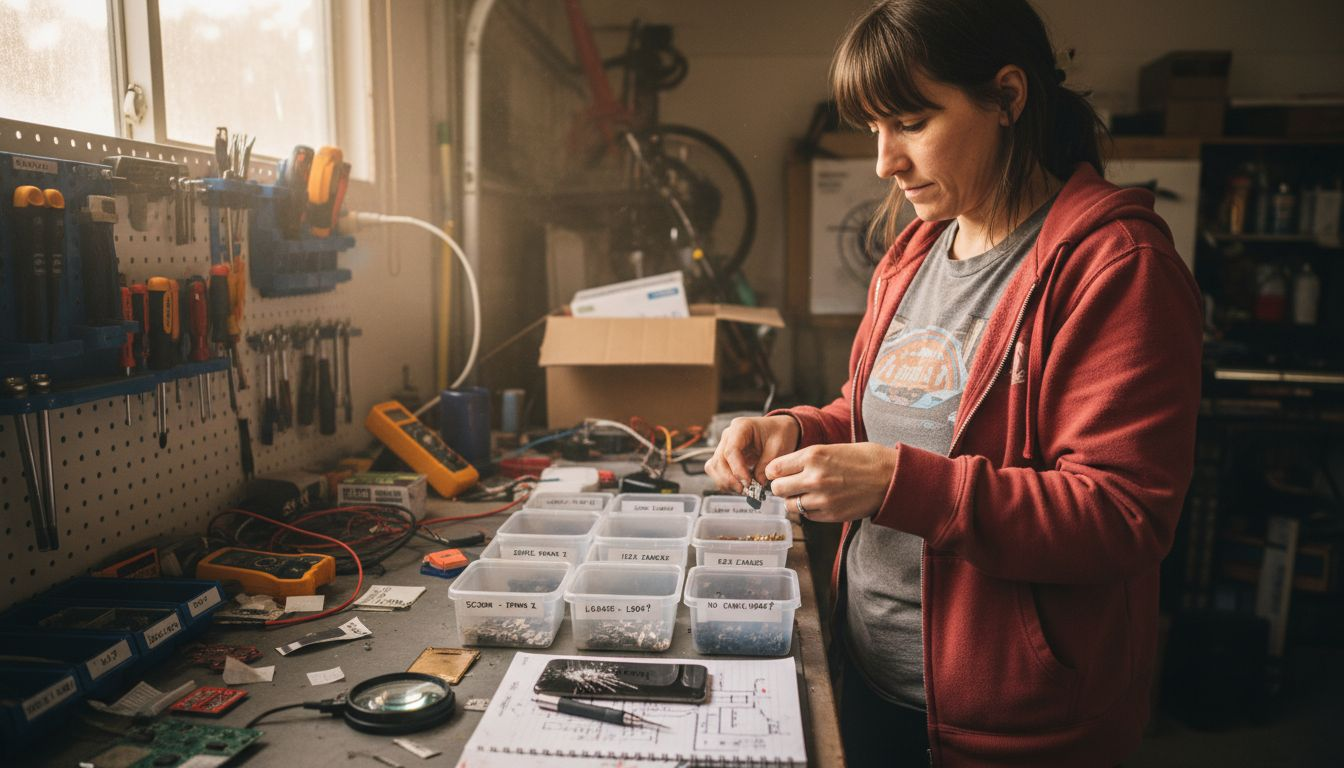
Pro tip: Always document your diagnostic steps and take photographs of your smartphone’s internal components before attempting any repairs to ensure proper reassembly.
How Smartphone Cameras Function and Key Components
Modern smartphone camera technology represents a remarkable intersection of optical engineering and computational processing. These compact imaging systems transform light into digital representations through a sophisticated chain of components that work seamlessly together.
The primary components of a smartphone camera include:
-
Optical System
- Multi-element lens assemblies
- Plastic or glass lens elements
- Fixed or variable aperture mechanisms
- Lens coating for light transmission
-
Sensor Technology
- CMOS (Complementary Metal-Oxide-Semiconductor) image sensors
- Pixel-level light capturing elements
- Different sensor sizes and resolutions
- Colour filter arrays
-
Processing Components
- Digital image processors
- Computational photography algorithms
- Noise reduction circuits
- Colour correction systems
Smartphone camera systems combine multiple lens configurations to overcome physical limitations. Wide, ultrawide, and telephoto lenses enable diverse photographic capabilities, while advanced computational techniques compensate for hardware constraints.
The intricate interplay between hardware and software distinguishes modern smartphone cameras. Sophisticated algorithms analyse sensor data in milliseconds, applying complex corrections that transform raw light information into visually appealing images.
Pro tip: Regularly clean your smartphone camera’s external lens with a microfibre cloth to maintain optimal image quality and prevent potential sensor damage.
Common Causes of Camera Malfunctions
Camera malfunctions in smartphones represent a complex interplay of hardware, environmental, and user-related factors that can systematically degrade imaging performance. Understanding these root causes helps DIY enthusiasts diagnose and address camera issues more effectively.
The primary categories of smartphone camera failures include:
-
Physical Damage
- Cracked lens elements
- Sensor scratches or fractures
- Mechanical component misalignment
- Internal circuit board damage
- Connector degradation
-
Environmental Factors
- Moisture intrusion
- Temperature extremes
- Dust and debris accumulation
- Ultraviolet light exposure
- Mechanical stress from drops or impacts
-
Software and Operational Issues
- Firmware conflicts
- Outdated operating systems
- Corrupted camera application
- Incorrect camera settings
- Memory storage limitations
Smartphone camera quality naturally deteriorates through continuous usage, with sensor components gradually losing their original performance characteristics. This degradation occurs incrementally, often unnoticed until significant image quality reduction becomes apparent.
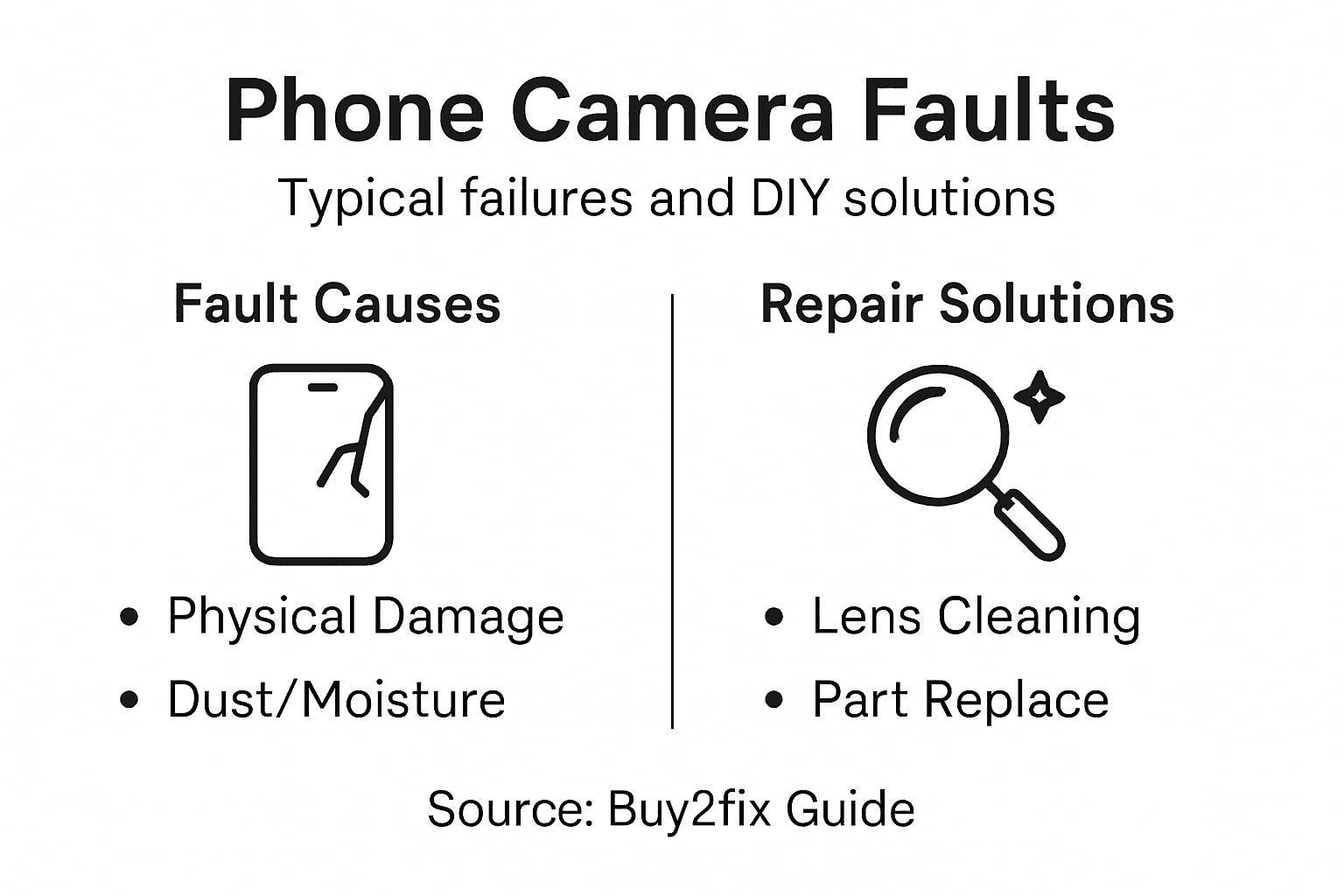
Each malfunction category requires a nuanced diagnostic approach. Physical damages might need component replacement, environmental issues can be mitigated through careful maintenance, and software problems typically demand strategic updates or resets.
Pro tip: Always document your smartphone’s specific camera model and serial number before attempting any repairs to ensure accurate component sourcing and compatibility.
Diagnosing Faults and Troubleshooting Problems
Phone camera diagnostic techniques require systematic approaches that help DIY repair enthusiasts accurately identify underlying issues. Understanding the nuanced differences between hardware and software-related camera malfunctions is crucial for implementing effective repair strategies.
The primary diagnostic methods for smartphone camera problems include:
-
Visual Inspection Techniques
- Check for physical lens damage
- Examine sensor surface for scratches
- Identify connector integrity
- Look for moisture indicators
- Assess external lens coating
-
Software Diagnostic Approaches
- Run camera application tests
- Check firmware compatibility
- Verify system update status
- Test camera mode functionalities
- Analyse error log reports
-
Performance Evaluation Methods
- Photograph test patterns
- Compare image quality across modes
- Assess autofocus responsiveness
- Measure colour accuracy
- Evaluate low-light performance
Sensor fault detection strategies involve complex data-driven approaches that help pinpoint precise malfunction origins. These methods combine automated testing with sophisticated signal analysis to provide comprehensive diagnostic insights.
Successful troubleshooting requires methodical investigation, moving from simplest to most complex potential causes. This systematic approach minimises unnecessary component replacement and helps preserve the smartphone’s overall functionality.
Here’s an overview of diagnostic methods and what each reveals about smartphone camera faults:
| Method | Faults Detected | Diagnostic Complexity |
|---|---|---|
| Visual Inspection | Physical, moisture, connector | Simple, direct |
| Software Diagnostics | App, firmware, calibration | Technical, log analysis |
| Performance Evaluation | Autofocus, colour, low-light | Detailed, test comparisons |
Pro tip: Create a detailed diagnostic worksheet documenting each test performed and its specific results to track your troubleshooting process systematically.
Repair Options, Costs, and Replacement Considerations
Camera repair strategies vary significantly depending on the specific damage and smartphone model. Understanding the nuanced financial implications helps DIY enthusiasts make informed decisions about whether to repair or replace their device’s camera system.
Repair options typically fall into three primary categories:
-
DIY Repair Approaches
- Lens cleaning and minor adjustments
- Replacement of external lens components
- Software recalibration techniques
- Simple connector repairs
- Basic module realignment
-
Third-Party Repair Services
- Independent repair workshops
- Specialist smartphone repair centres
- Component-level diagnostic services
- Partial module replacements
- Warranty-neutral repair options
-
Manufacturer Repair Channels
- Official service centre repairs
- Comprehensive warranty coverage
- Original manufacturer components
- Full system diagnostics
- Extended repair guarantees
Smartphone camera repair complexity demands careful cost-benefit analysis. While DIY repairs can substantially reduce expenses, they require technical expertise and carry inherent risks of further damage.
Each repair pathway presents unique trade-offs between cost, risk, and potential long-term device functionality. Professional repairs offer reliability but at higher prices, whereas DIY approaches provide cost savings with increased personal technical involvement.
To clarify repair choices, here’s a comparison between smartphone camera repair pathways and their typical costs and benefits:
| Repair Pathway | Average Cost Range | Reliability | Expertise Needed |
|---|---|---|---|
| DIY Repair | £20–£75 | Varies, risk present | High, technical skill |
| Third-Party Service | £70–£180 | Moderate, warranty varies | Moderate, basic knowledge |
| Manufacturer Service Centre | £90–£250 | High, full warranty | None, handled by experts |
Pro tip: Always obtain multiple repair quotes and compare total costs, including potential future maintenance, before committing to any smartphone camera repair strategy.
Restore Your Phone Camera with Expert Repair Parts and Accessories
If your smartphone camera suffers from physical damage, moisture intrusion, or software complications as detailed in the article Why Phone Cameras Fail – Repair Solutions for DIYers, you are not alone. Many users face blurry photos or complete camera malfunctions because of worn-out lens components, faulty sensors, or corrupted software settings. Understanding these common failure modes is the first step towards getting your device back to perfect shooting condition.
At Buy2fix, we empower both DIY enthusiasts and professional technicians with a wide range of specialist mobile phone repair parts including camera lenses and modules, flex cables, and connectors specifically designed for top smartphone brands like iPhone, Samsung Galaxy, and Huawei. With our high-quality aftermarket and genuine components, free UK mainland shipping, and a one-year warranty, you can confidently tackle even complex camera repairs. Start your restoration journey today by exploring our collection of mobile phone repair parts and secure the finest solutions for your smartphone problems. Don’t let camera faults hold you back—visit us now and get all you need to fix your phone camera at competitive prices.
Frequently Asked Questions
What are the common causes of phone camera failures?
Common causes of phone camera failures include physical damage like cracked lenses, environmental factors such as moisture intrusion, and software issues like app crashes or firmware conflicts. Understanding these can help in diagnosing and resolving problems effectively.
How can I troubleshoot smartphone camera issues at home?
To troubleshoot smartphone camera issues, start with visual inspections for physical damage, follow with software diagnostics to check for app or firmware issues, and evaluate performance through test photos in various modes to identify faults.
Is it possible to repair my phone camera myself?
Yes, many phone camera problems can be repaired by DIY enthusiasts by addressing issues like lens cleaning, minor mechanical repairs, and software recalibrations. However, be cautious, as more complex issues may require professional help.
What are the repair options available for smartphone cameras?
Repair options for smartphone cameras include DIY repairs for minor issues, third-party services for more complex problems, and manufacturer repair channels that offer comprehensive services, though they may come at a higher cost.
Recommended
- Phone Camera Lens Repair Guide for DIY and Professionals – buy2fix
- iPhone X Camera Problem: Complete Troubleshooting Guide – buy2fix
- Common Phone Repair Mistakes: Costly DIY Errors – buy2fix
- Phone Camera Lens Care: Upgrade Your Photo Quality – buy2fix
- When to Call a Handyman: Smart Times to Skip DIY and Save Time
Let customers speak for us
The acid test of any company is how they respond when things go wrong. The Buy2Fix team were efficient in dealing with my emails and resolved the issue to my complete satisfaction

For Samsung Galaxy A26 SM-A266B Original Earpiece Speaker with Cable

Very good communication throught. Good product

Well made part very strong easy to fit great value for the money

Well packed, with fast shipping :)

Exactly what the doctor ordered…great color, comfort, and durability. Trust this watch band!

Brilliant strap, second purchase, bought bracelet before. Excellent value. Thank you

Great item for splitting your Audio signal

Outstanding product!
Next level customer service.

Very satisfied but the delivery needs to get more faster...

Good price,quick delivery

Best phone case ever! This is my second one as I broke my first. Would defo recommend

Great fitting Apple Watch bands

For Apple Watch Ultra 3 / 2 / 1 49mm RedPepper Armor Metal Case Integrated Silicone Watch Band(Steel Black White)

Good price and quick postage
