


News
Common Phone Repair Mistakes: Costly DIY Errors
Fixing an iPhone or Samsung at home can feel rewarding, but making one small mistake often means facing much bigger problems. For British DIY repair fans, knowing the most common errors is key, especially when data from community events shows only about half of smartphone repairs turn out successful. This guide brings practical insights to help you choose the right parts, avoid costly mishaps, and carry out precise repairs on your favourite devices.
Table of Contents
- Defining Common Phone Repair Mistakes
- Types of DIY Repair Errors Explained
- Critical Steps in Sourcing Quality Parts
- Risks of Incorrect Installation and Handling
- Legal and Warranty Implications for DIY Repairs
- How to Avoid the Most Frequent Pitfalls
Key Takeaways
| Point | Details |
|---|---|
| Preparation is Crucial | Thoroughly prepare by gathering the right tools and understanding specific device requirements before attempting repairs. |
| Use Quality Tools | Employ professional-grade tools to minimise the risk of damaging delicate components during repairs. |
| Document the Process | Keep detailed records and photographs of the repair steps to ensure accurate reassembly and protect warranty rights. |
| Beware of Legal Implications | Understand your rights regarding warranty protection and ensure compliance with manufacturer guidelines to avoid potential legal issues. |
Defining Common Phone Repair Mistakes
Smartphone repair requires precision and skill. Understanding the landscape of potential errors is crucial for DIY enthusiasts who want to successfully restore their devices without causing additional damage. Data from community repair events reveals that approximately half of all attempted repairs encounter significant challenges, highlighting the complexity of modern smartphone restoration.
Common phone repair mistakes typically fall into several critical categories:
- Incorrect Tool Usage: Using inappropriate or low-quality tools that can scratch, bend, or break delicate components
- Electrostatic Discharge Risks: Failing to ground yourself, potentially damaging sensitive electronic circuits
- Component Mishandling: Applying excessive force or improper technique when removing or replacing parts
- Diagnostic Errors: Misidentifying the root cause of device malfunction
The most frequent errors stem from a lack of proper preparation and understanding of smartphone internal architecture. Manufacturer-specific variations mean that repair techniques which work for one device may catastrophically damage another. Smartphone repair techniques require meticulous attention to detail and brand-specific knowledge.
Mishandling occurs most often when inexperienced repairers rush through complex procedures without fully understanding the intricate connections between smartphone components. Professional technicians emphasise the importance of patience, systematic approach, and comprehensive diagnostic processes before attempting any repair.
Here is a comparison of mistakes made by inexperienced DIY repairers versus professional technicians:
| Aspect | Inexperienced DIY Repair | Professional Technician |
|---|---|---|
| Preparation Level | Often inadequate | Thorough and systematic |
| Tool Quality | Inappropriate/low cost | Professional-grade |
| Diagnostic Accuracy | Frequently misdiagnosed | Careful and precise |
| Documentation Practice | Rarely undertaken | Detailed photographs/records |
| Result Consistency | Often variable | Highly reliable outcomes |
Pro tip: Always document each step of your repair process by taking clear photographs of component placement and connections before disassembly to ensure accurate reassembly.
Types of DIY Repair Errors Explained
Navigating smartphone repair requires a comprehensive understanding of potential pitfalls that can transform a straightforward fix into an expensive disaster. Mobile phone repair documentation reveals numerous critical error categories that DIY enthusiasts must carefully consider before attempting repairs.
The most prevalent types of DIY repair errors can be categorised into several crucial domains:
-
Physical Damage Errors
- Applying excessive pressure during component removal
- Using inappropriate tools that scratch or bend delicate parts
- Mishandling internal connections and fragile circuit boards
-
Diagnostic Misinterpretation Errors
- Incorrectly identifying the root cause of device malfunction
- Replacing unnecessary components due to incomplete diagnostic processes
- Misunderstanding manufacturer-specific repair protocols
-
Technical Competence Errors
- Lack of understanding of electronic circuitry
- Insufficient knowledge of device-specific architectural nuances
- Inadequate electrostatic discharge protection
Electrical component damage represents one of the most expensive mistake categories, where a single misplaced touch can render an entire device irreparable. Smartphone repair techniques emphasise the importance of systematic, methodical approaches that minimise the risk of catastrophic errors.
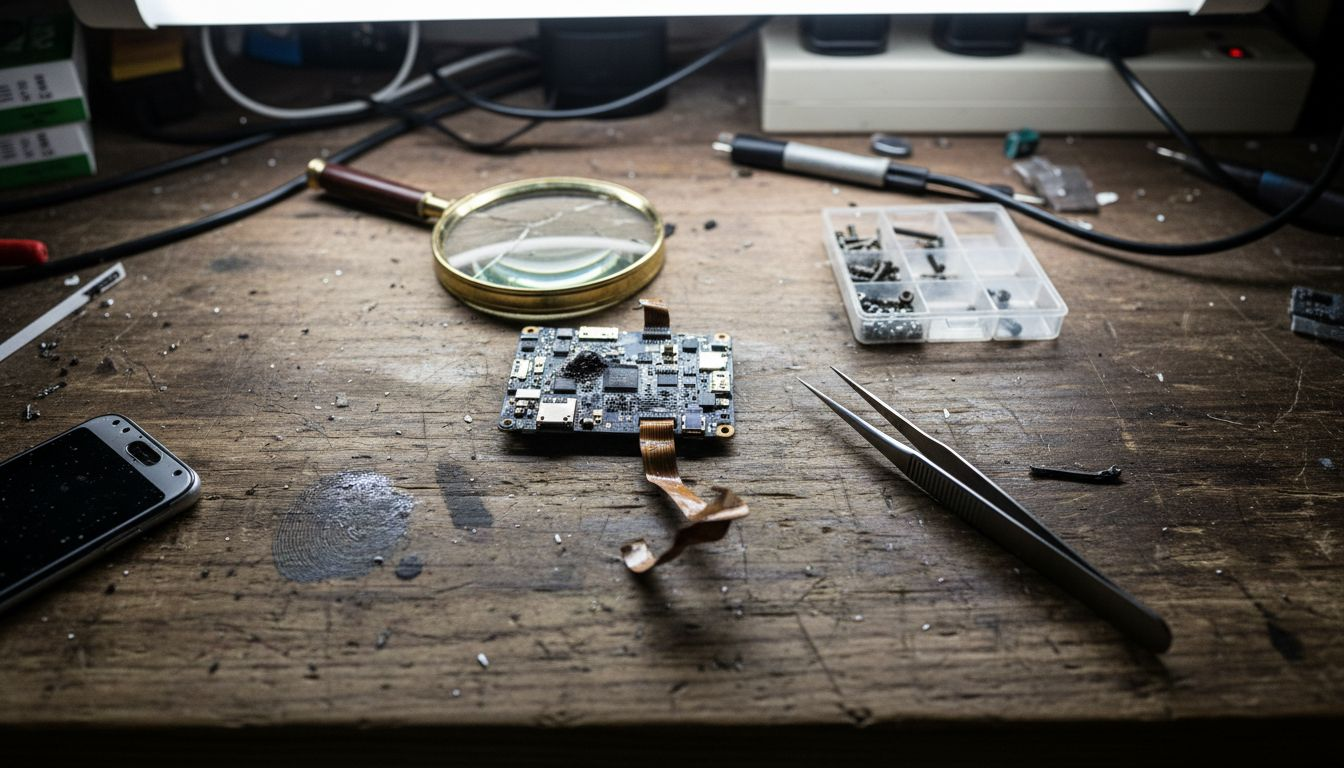
Inexperienced repairers often underestimate the complexity of modern smartphones, treating them like simplistic mechanical devices. Professional technicians understand that each device contains intricate, interconnected systems requiring precision, specialised knowledge, and patience. The microscopic nature of smartphone components means even minor errors can cascade into significant, irreversible damage.
Pro tip: Invest in professional-grade anti-static equipment and work in a clean, well-lit environment to dramatically reduce the likelihood of accidental damage during smartphone repairs.
Critical Steps in Sourcing Quality Parts
Global mobile phone supply chains represent a complex ecosystem where sourcing authentic replacement parts requires meticulous attention to detail and strategic decision-making. Understanding the nuanced landscape of component procurement is fundamental to successful smartphone repairs.
Critical steps for sourcing high-quality phone parts include:
-
Supplier Verification
- Research supplier reputation and industry credentials
- Check manufacturer certifications
- Examine historical quality control records
-
Part Authenticity Evaluation
- Verify original equipment manufacturer (OEM) specifications
- Compare part specifications against manufacturer standards
- Request detailed technical documentation
-
Compatibility Assessment
- Confirm precise device model compatibility
- Check electrical and mechanical specifications
- Validate component interconnectivity requirements
Technical compatibility represents the most crucial aspect of parts sourcing, where seemingly minor discrepancies can render expensive components completely useless. Smartphone parts sourcing demands a systematic approach that prioritises precision and technical accuracy.
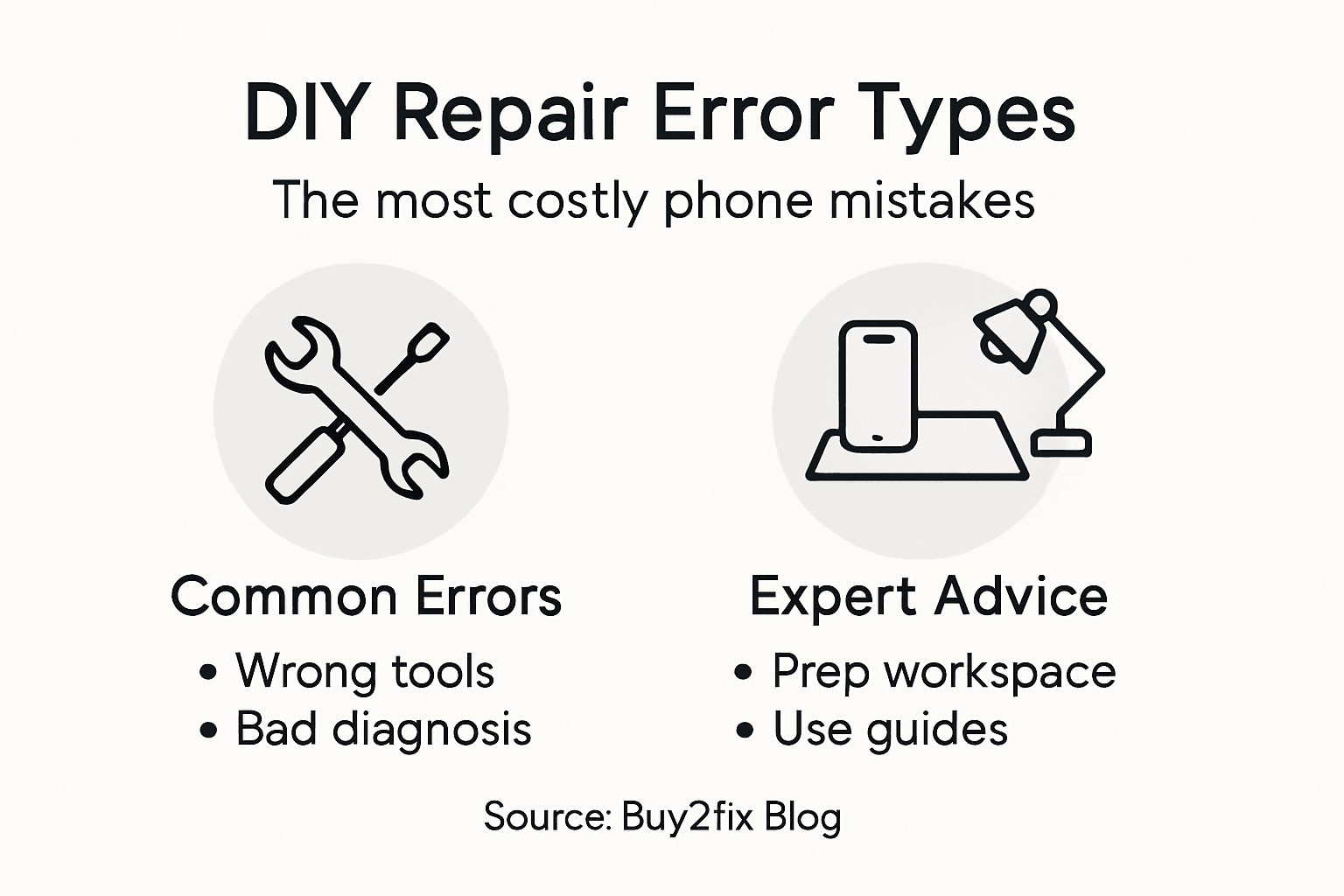
Professional repair technicians understand that successful parts procurement extends beyond simple price comparisons. The intricate nature of modern smartphone architecture means that each component must meet exacting standards of performance, durability, and seamless integration.
The following table summarises how each step in quality parts sourcing impacts final repair success:
| Sourcing Step | Impact on Repair Quality | Typical Consequence if Ignored |
|---|---|---|
| Supplier Verification | Ensures reliability and trust | High risk of counterfeit components |
| Authenticity Check | Guarantees part compatibility | Device may fail or be damaged |
| Compatibility Review | Smooth installation and function | Incorrect fit, device won’t operate |
Pro tip: Always request manufacturer-specific technical documentation and compare multiple supplier quotes before making a final parts selection to ensure maximum reliability and performance.
Risks of Incorrect Installation and Handling
Finite element modeling of mobile devices reveals the catastrophic consequences of improper smartphone repair techniques, demonstrating how seemingly minor handling errors can lead to significant structural and functional failures. Understanding these risks is paramount for any DIY repair enthusiast seeking to maintain their device’s integrity.
The most critical risks during smartphone installation and handling include:
-
Mechanical Stress Risks
- Applying excessive pressure on delicate components
- Misaligning internal circuit connections
- Causing micro-fractures in electronic pathways
-
Electrostatic Discharge Dangers
- Unprotected handling leading to component damage
- Static electricity destroying sensitive microchips
- Undermining device functionality through unintentional discharge
-
Structural Integrity Compromises
- Improper seal placement causing water vulnerability
- Misaligned internal brackets reducing device rigidity
- Incorrect screw torque leading to long-term mechanical stress
Precision engineering demands extraordinary care during smartphone repairs. Common smartphone repair techniques emphasise that even microscopic mishandling can transform a simple repair into a complete device replacement scenario.
Most DIY repairers underestimate the complex interconnectedness of modern smartphone architectures. Each component exists within a delicately balanced ecosystem where mechanical, electrical, and thermal interactions can dramatically impact overall device performance. Professional technicians understand that successful repairs require not just technical knowledge, but a profound respect for the device’s intricate design.
Pro tip: Invest in anti-static wristbands and work on a clean, non-conductive surface to minimise the risk of accidental component damage during smartphone repairs.
Legal and Warranty Implications for DIY Repairs
Legal developments in consumer repair rights are transforming the landscape of smartphone maintenance, challenging traditional manufacturer warranty restrictions. DIY enthusiasts must navigate a complex legal terrain that balances manufacturer protections with consumer repair freedoms.
Key legal considerations for smartphone repairs include:
-
Warranty Protection Challenges
- Manufacturers cannot automatically void warranties for self-repairs
- Burden of proof lies with manufacturer to demonstrate damage
- Legal protections against blanket warranty restrictions
-
Consumer Rights Under Legislation
- Right to access repair information and parts
- Protection against restrictive manufacturer policies
- Requirement for transparent repair documentation
-
Potential Legal Risks
- Inadvertent warranty invalidation
- Potential liability for consequential device damage
- Complex legal interpretations of repair impacts
Warranty preservation requires strategic approach. DIY repair considerations demonstrate the importance of understanding manufacturer-specific repair guidelines and documentation requirements.
The Magnuson-Moss Warranty Act provides crucial consumer protections, fundamentally challenging manufacturers’ historical ability to invalidate warranties through arbitrary restrictions. Professional repair technicians understand that legal frameworks are increasingly supporting consumers’ rights to maintain and repair their own devices.
Pro tip: Always document every repair step meticulously, keeping original parts and maintaining comprehensive photographic evidence to protect your legal standing.
How to Avoid the Most Frequent Pitfalls
Smartphone repair strategies demand meticulous preparation and comprehensive understanding of potential technical challenges. Successfully navigating device repairs requires a strategic approach that minimises risks and maximises potential for successful restoration.
Critical strategies to avoid common repair pitfalls include:
-
Pre-Repair Preparation
- Completely power down the device before beginning work
- Gather all necessary specialised tools in advance
- Create a clean, well-organised workspace
- Photograph device configuration before disassembly
-
Technical Preparation Steps
- Research specific device model repair requirements
- Understand manufacturer-specific component interactions
- Verify precise replacement part compatibility
- Review professional repair guides and tutorials
-
Diagnostic and Handling Protocols
- Conduct systematic fault identification
- Use appropriate electrostatic protection equipment
- Handle components with precision and gentleness
- Test functionality after each repair stage
Diagnostic precision represents the cornerstone of successful smartphone repairs. Common smartphone issues emphasise the importance of methodical, step-by-step problem identification and resolution techniques.
Most DIY repairers fail by rushing through procedures without understanding the intricate relationships between smartphone components. Professional technicians recognise that patience, systematic approach, and comprehensive understanding are fundamental to successful device restoration.
Pro tip: Create a dedicated workspace with proper lighting, anti-static protection, and organised tool storage to dramatically reduce the likelihood of accidental damage during smartphone repairs.
Avoid Costly Phone Repair Mistakes with Expert Parts and Guidance
Attempting smartphone repairs without the right knowledge and components can lead to expensive errors like mechanical damage, misdiagnosis, or warranty issues. This article highlights critical pitfalls such as incorrect tool usage, electrostatic risks, and sourcing counterfeit parts that jeopardise repair success. Whether you are a DIY enthusiast or an emerging professional technician, understanding these challenges is key to protecting your device and investment.
At Buy2fix, we specialise in providing high-quality, authentic mobile phone repair parts and accessories tailored for brands including iPhone, Samsung Galaxy, and Huawei. Our extensive range covers everything from LCD screens to charging ports, backed by rigorous quality testing and a one-year warranty giving you confidence in every purchase. Avoid the common errors of poor part compatibility and low-quality tools by sourcing all your repair essentials from our professional selection. Start your repair journey with the right support today by visiting Buy2fix and explore expert advice alongside our premium product inventory.
Take control of your smartphone repairs with precision and reliability. Explore more about common repair issues and solutions at Buy2fix DIY Phone Repair Tips and secure your needed parts with confidence now.
Frequently Asked Questions
What are the most common mistakes made during DIY phone repairs?
Most common mistakes include incorrect tool usage, misdiagnosing the device issue, mishandling components, and failing to take proper precautions against electrostatic discharge.
How can I avoid damaging my phone while attempting a repair?
To avoid damage, ensure you have the right tools, work in a clean environment, handle components gently, and follow detailed guides specific to your device model.
Why is documenting the repair process important?
Documenting each step by taking photographs helps ensure accurate reassembly and aids in understanding the device configuration which can be crucial for troubleshooting.
What precautions should I take to protect my phone during repairs?
It is essential to power down the device, use anti-static equipment, and approach the repair systematically to avoid causing permanent damage to sensitive components.
Recommended
Let customers speak for us
Absolutely love this case! Heavy, sturdy and full coverage

Thank You! I really love it! 😊

For Garmin Forerunner 165 20mm Two Color Textured Silicone Watch Band(Teal)

For Samsung Galaxy S26+ 5G R-JUST Sliding Camera Life Waterproof Holder Phone Case(Black)

I ❤️ love it, it's absolutely amazing I'm sooo happy 😊

Great

I saw this item and it was just what I was looking for. I found it here but not in Amazon or e-bay. However, it was in UK, I was surprised to find that they were able to ship it to the US. Excellent company, would do business with again

This is great for when out and about, to sharpen either coloured pencils, or watercolour pencils….would order again.

Great items would bye again

I have purchased several items from this store before. Recently, I encountered an issue with my latest order. After reporting the problem to customer support, they were consistently attentive and made every effort to resolve the situation. Upon investigation, they acknowledged the issue and promptly fixed it. This experience has increased my level of trust in this store.
Thank you so much. I'm so happy.

très bien

BC70 Car Bluetooth 5.0 FM Transmitter Radio Adapter Dual Display Wireless Handsfree Call MP3 Music Player QC3.0 PD USB Charger

A quite sturdy cover, if you are looking for full protection and a more business-like style, this cover perfectly fulfills its purpose.
The shipping was fast, and it was delivered in perfect condition.

For LG TV Bluetooth Handheld Infrared Voice Multi-Function Remote Control(AKB75855501)
