

Insurance for Apple iPhone: your complete 2026 guide
TL;DR:
- Apple iPhone insurance plans vary from manufacturer, carrier, and third-party options, each with different coverage and costs.
- Choosing the right plan depends on your usage, risk profile, and timing, with genuine parts and low deductibles offering better protection.
Insurance for Apple iPhone is a specialised service that protects your device against accidental damage, theft, and loss through a range of coverage plans. The industry term is “mobile device insurance,” though most people search for it by brand. Whether you have just bought an iPhone 16 Pro or are still using an older model, the right plan can save you hundreds of pounds when something goes wrong. This guide breaks down every major option, what each costs, and how to pick the plan that fits your life.
What types of insurance for Apple iPhone are available?
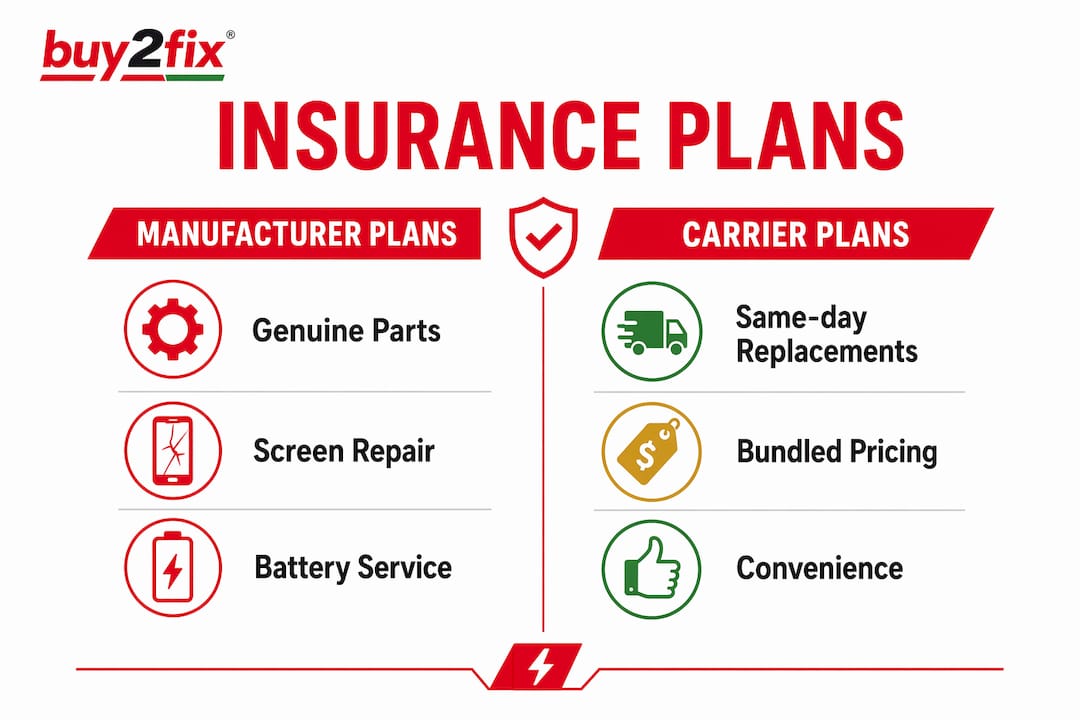
Three main categories of iPhone insurance plans exist: manufacturer-backed plans, carrier plans, and third-party providers. Each works differently, and the differences matter more than most people realise.
AppleCare+
AppleCare+ is Apple’s own extended warranty and insurance product. It covers accidental damage, battery service, and technical support. Apple owners have a 60-day window post-purchase to enrol, and plans run from roughly $7 to $15 monthly depending on the iPhone model. The Theft and Loss tier adds coverage for stolen or missing devices, with a $149 replacement fee. That 60-day window is a hard deadline. Miss it, and AppleCare+ is no longer available to you.
Carrier plans
UK and US mobile carriers offer their own iPhone insurance plans bundled with or added to monthly contracts. These plans typically include same-day or next-day replacement, which is a genuine advantage if you rely on your phone for work. Some carriers add extras such as identity protection or in-home repair services. The trade-off is cost: carrier premiums and deductibles tend to run higher than manufacturer plans.
Third-party providers
Third-party insurers sit outside Apple and the carriers. They often advertise lower monthly premiums, which appeals to budget-conscious buyers. The catch is that claims require upfront payment and reimbursement later, sometimes leaving you without a working phone for several days. Theft coverage is rarely included as standard and usually costs extra.
Pro Tip: Check whether your home contents insurance already covers mobile phones away from home. Many UK policies include this, and you may already be paying for protection you have forgotten about.
Here is a quick overview of how the three plan types compare on the features that matter most:
| Feature | Manufacturer plan | Carrier plan | Third-party plan |
|---|---|---|---|
| Accidental damage | Yes | Yes | Yes |
| Theft and loss | Optional add-on | Usually included | Rarely standard |
| Genuine parts used | Always | Varies | Rarely |
| Repair speed | Same day at Apple Store | Same day or next day | 3–5 days by post |
| Enrolment flexibility | 60-day window | Sometimes flexible | Most flexible |
How much does iPhone coverage typically cost?
Cost is where most people make their decision, and the numbers are more nuanced than a simple monthly premium suggests. You need to factor in deductibles, which are the fees you pay each time you make a claim.

Typical premium and deductible breakdown
AppleCare+ with Theft and Loss costs around $14 monthly, with deductibles of $29 for screen repairs, $99 for other accidental damage, and $149 for a full device replacement. Those deductibles are low compared to the alternatives. Carrier plans charge higher replacement deductibles of $229–$275, even though their monthly premiums sit in a similar range of $14–$19. Third-party providers charge lower monthly fees, often the equivalent of £3–£7 per month in the UK market, but their deductibles can reach £75–£149 per claim.
What the numbers actually mean
A single screen repair claim under AppleCare+ costs you $29. The same repair through a carrier plan could cost you $229 or more. If you crack your screen once a year, AppleCare+ pays for itself in that single incident. The maths shifts if you never make a claim: a third-party plan at £5 per month costs £60 per year, while AppleCare+ at the equivalent of around £12 per month costs closer to £144. Your personal risk profile determines which number matters more.
Here is a summary of typical cost ranges across plan types:
| Plan type | Monthly premium | Screen repair fee | Device replacement fee |
|---|---|---|---|
| AppleCare+ (with Theft and Loss) | ~$14 | $29 | $149 |
| Carrier plan | $14–$19 | Varies | $229–$275 |
| Third-party plan | £3–£7 equiv. | £75–£149 | Not always available |
Battery service under AppleCare+ carries a $0 fee when battery health drops below 80%. That alone can be worth the plan for anyone keeping their iPhone for three or more years.
Manufacturer vs carrier vs third-party: what are the real pros and cons?
Choosing between plan types is not just about monthly cost. The type of repair you receive, the parts used, and the impact on your device’s long-term performance all factor in.
Why manufacturer plans protect more than just the screen
Certified repairs use genuine parts, which preserves features like water resistance and touch sensitivity that cheaper parts can degrade. Apple uses proprietary diagnostic software to verify components. If non-genuine parts are detected, AppleCare+ coverage is voided, and future repairs become more expensive. This is not a minor footnote. It means that a cheap third-party screen repair today can cost you far more if something else goes wrong tomorrow.
Understanding the benefits of genuine phone parts is worth your time before you authorise any repair, whether or not you hold an active insurance plan.
Carrier plans: speed at a price
Carrier plans win on convenience. Same-day replacements are genuinely useful for professionals and anyone who cannot function without their phone. The higher deductibles are the cost of that speed. Carriers may also offer in-home service or dedicated support lines, which some users value highly.
Third-party plans: the hidden costs
Budget-conscious users favour third-party insurance for lower monthly costs, but the process is slower and more disruptive. You typically pay for the repair upfront, submit a claim, and wait for reimbursement. During that time, you may be without your device for 3–5 days. Theft coverage is rarely included, and replacements are often refurbished rather than new devices.
Pro Tip: If you are considering a third-party plan, read the claims process section of the policy document before signing up. The reimbursement timeline and upfront payment requirement are the two details most people discover only after they need to make a claim.
How do you choose the best Apple device protection for your needs?
The best plan is the one that matches your actual behaviour, not the one with the lowest headline price.
-
Assess your risk profile. Do you drop your phone regularly? Work outdoors or in physically demanding environments? A manufacturer plan with low repair deductibles makes financial sense. If you have never cracked a screen, a lower-cost third-party plan may be sufficient.
-
Check your enrolment window. Missing the 60-day AppleCare+ window removes that option entirely. Carrier plans sometimes allow later enrolment with a device inspection. Third-party plans are the most flexible and serve as a fallback once other windows close.
-
Consider your device value. A flagship iPhone 16 Pro Max costs over £1,000 to replace. The maths strongly favours comprehensive coverage. An older or mid-range model may not justify the same premium level.
-
Think about multi-device households. Families with several iPhones or a mix of Apple devices may find that multi-device third-party plans offer better overall value than individual manufacturer plans for each device.
-
Verify what your existing policies cover. Home contents insurance, credit card purchase protection, and some bank accounts already include mobile phone cover. Duplicate coverage wastes money.
Pro Tip: You can check your AppleCare+ coverage status at any time through the Apple Support app or by visiting mysupport.apple.com. Do this before you assume you are covered.
Understanding iPhone repair costs for common damage types helps you judge whether a plan’s deductibles represent good value for your specific model.
Key takeaways
The most cost-effective iPhone insurance plan combines low repair deductibles with genuine parts, and AppleCare+ delivers both better than any alternative for flagship device owners.
| Point | Details |
|---|---|
| Enrolment timing matters | AppleCare+ requires enrolment within 60 days of purchase; missing this window removes the option. |
| Deductibles vary widely | Screen repair fees range from $29 under AppleCare+ to over £149 under third-party plans. |
| Genuine parts protect your warranty | Non-genuine parts void AppleCare+ coverage and can degrade water resistance and touch performance. |
| Third-party plans carry hidden costs | Upfront payment and 3–5 day repair delays are standard, not exceptions, with most third-party providers. |
| Match the plan to your risk profile | High-use or clumsy users benefit most from manufacturer plans; low-risk users may find third-party cover sufficient. |
What I have learned about iPhone insurance after years in the repair industry
By Adewale
Most people approach iPhone insurance the wrong way. They look at the monthly premium and pick the cheapest option. That logic works fine for low-value items. It fails badly for a device that costs £1,000 or more to replace.
The thing that genuinely surprises people is how much a single repair decision can affect their long-term costs. I have seen customers save £30 on a screen repair using a non-certified shop, only to discover months later that their AppleCare+ is void because non-genuine parts were detected. That £30 saving turned into a £400 problem.
My honest view is that AppleCare+ is the right choice for anyone buying a current flagship iPhone. The deductibles are low, the repairs use genuine parts, and the process is straightforward. The 60-day enrolment window is the one thing people consistently underestimate. I would put a reminder in your calendar the day you buy a new iPhone. Missing that window is an entirely avoidable mistake.
For older devices or budget models, third-party plans can work, but read the claims process before you commit. The reimbursement model is a genuine inconvenience that most marketing materials gloss over. If you cannot afford to be without your phone for several days, a third-party plan is a worse deal than its monthly price suggests.
— Adewale
Buy2fix and quality iPhone repairs: what you need to know
When your iPhone needs a repair, the quality of the parts used determines whether your device performs as it should afterwards. Buy2fix stocks a wide range of iPhone repair parts for major models, supplying both DIY buyers and professional repair technicians across the UK. Every part goes through quality checks before dispatch, and free UK mainland shipping applies to all orders. Whether you are replacing a screen, a battery, or a camera component, using quality parts protects your device’s performance and supports the integrity of any active warranty. Buy2fix also offers a 30-day return policy and warranty support on eligible items, making it a dependable source for repair components that meet the standard your iPhone deserves.
FAQ
What does insurance for Apple iPhone typically cover?
Standard iPhone insurance covers accidental damage, and higher-tier plans add theft and loss. AppleCare+ also includes battery service and technical support from Apple.
Can I get AppleCare+ after the 60-day window?
No. Apple’s 60-day enrolment window is a firm deadline. After that, carrier plans with device inspection or third-party providers are your remaining options.
Does third-party iPhone insurance cover theft?
Theft coverage is rarely included as standard in third-party plans. Most providers offer it as a paid add-on, so check the policy terms carefully before purchasing.
Will a non-genuine screen repair void my AppleCare+?
Yes. Apple uses diagnostic software to detect non-genuine components, and repairs using unauthorised parts void AppleCare+ coverage going forward.
Is carrier iPhone insurance worth the higher premium?
Carrier plans justify their cost primarily through speed. Same-day replacements and in-home service options suit users who cannot manage without their device, but the higher deductibles make them less efficient for infrequent claimants.
Recommended
Let customers speak for us
The acid test of any company is how they respond when things go wrong. The Buy2Fix team were efficient in dealing with my emails and resolved the issue to my complete satisfaction

For Samsung Galaxy A26 SM-A266B Original Earpiece Speaker with Cable

Very good communication throught. Good product

Well made part very strong easy to fit great value for the money

Well packed, with fast shipping :)

Exactly what the doctor ordered…great color, comfort, and durability. Trust this watch band!

Brilliant strap, second purchase, bought bracelet before. Excellent value. Thank you

Great item for splitting your Audio signal

Outstanding product!
Next level customer service.

Very satisfied but the delivery needs to get more faster...

Good price,quick delivery

Best phone case ever! This is my second one as I broke my first. Would defo recommend

Great fitting Apple Watch bands

For Apple Watch Ultra 3 / 2 / 1 49mm RedPepper Armor Metal Case Integrated Silicone Watch Band(Steel Black White)

Good price and quick postage
