

Common Smartphone Issues – Solving Repairs Affordably
Cracked screens, glitchy batteries, and frustrating charging faults seem to strike at the worst moments, yet these problems are only part of the story for smartphone users across the United Kingdom. Addressing the full range of common smartphone issues also means considering behavioural patterns like excessive use, stress, and reduced daily productivity, as highlighted by current research. Whether you are tackling hardware repairs or looking to improve your device’s performance and well-being, this guide empowers British DIY enthusiasts with practical insights to fix devices using reliable parts while keeping repair costs low.
Table of Contents
- What Counts As A Common Smartphone Issue
- Screen, Battery And Charging Faults Defined
- Water Damage, Overheating And Camera Troubles
- Diagnosing Software Glitches And Connectivity Drops
- Repair Risks And Mistakes To Avoid
- Choosing Reliable, Quality Replacement Parts
Key Takeaways
| Point | Details |
|---|---|
| Understanding Smartphone Issues | Common smartphone problems encompass hardware malfunctions, software glitches, and behavioural usage patterns, all of which affect user experience and functionality. |
| Proactive Maintenance | Regularly conduct health audits, update software, and monitor screen time to prevent long-term issues and improve smartphone longevity. |
| Challenges of Repairs | Users should be cautious of DIY repairs due to risks of data loss and device damage; seeking professional assistance for complex issues is advisable. |
| Selecting Replacement Parts | When choosing parts, consider quality, compatibility, and warranties; OEM parts ensure reliability, while aftermarket options vary widely in quality. |
What Counts as a Common Smartphone Issue
Since the proliferation of mobile technology, smartphone issues have become increasingly complex and diverse, extending far beyond simple hardware malfunctions. Modern smartphones represent intricate systems that can experience problems ranging from physical damage to behavioural and psychological challenges.
Physically, common smartphone issues typically encompass hardware problems such as cracked screens, battery degradation, charging port damages, and internal component failures. However, contemporary research suggests that smartphone problems are not merely technical, but also include significant problematic smartphone use patterns that impact psychological well-being and social functioning.
Beyond tangible technical concerns, smartphone issues now include behavioural dysfunctions like excessive screen time, social media addiction, decreased attention spans, and mental health implications. Researchers have identified multiple assessment scales to evaluate these complex interactions, recognising that modern smartphone challenges extend into psychological and social domains. These issues can manifest through symptoms like increased stress, reduced academic performance, social anxiety, and disrupted daily productivity.
Most smartphone issues can be categorised into several key areas: hardware malfunctions, software glitches, battery performance, screen damages, and behavioural usage patterns. Understanding these diverse challenges helps users develop more proactive maintenance and usage strategies.
Here is a summary of the primary categories of smartphone issues and their typical impacts:
| Issue Category | Example Problems | Typical Impact |
|---|---|---|
| Hardware Malfunction | Cracked screen, port failure | Reduced usability, physical defects |
| Software Glitch | App crashes, slowdowns | Frustration, decreased productivity |
| Battery Performance | Fast drain, swelling | Shorter usage time, safety risk |
| Screen Damage | Scratches, touch lag | Impaired visibility, input issues |
| Behavioural Use Pattern | Excessive screen time | Stress, lost focus, social impact |
Pro tip: Conduct a monthly smartphone health audit by checking battery performance, updating software, and monitoring your daily screen time to prevent potential long-term issues.
Screen, Battery and Charging Faults Defined
Smartphone hardware issues represent a complex landscape of technical challenges that can significantly impact device performance and user experience. Screen damages, battery degradation, and charging port failures consistently rank among the most prevalent and frustrating smartphone problems users encounter.
Screen faults typically manifest through multiple dimensions, including physical cracks, touch sensitivity issues, and display responsiveness problems. Smartphone screen damage mechanisms encompass everything from minor scratches to complete structural fractures that compromise device functionality. These damages often result from accidental drops, impacts, or exposure to extreme environmental conditions, requiring careful assessment and potential professional intervention.
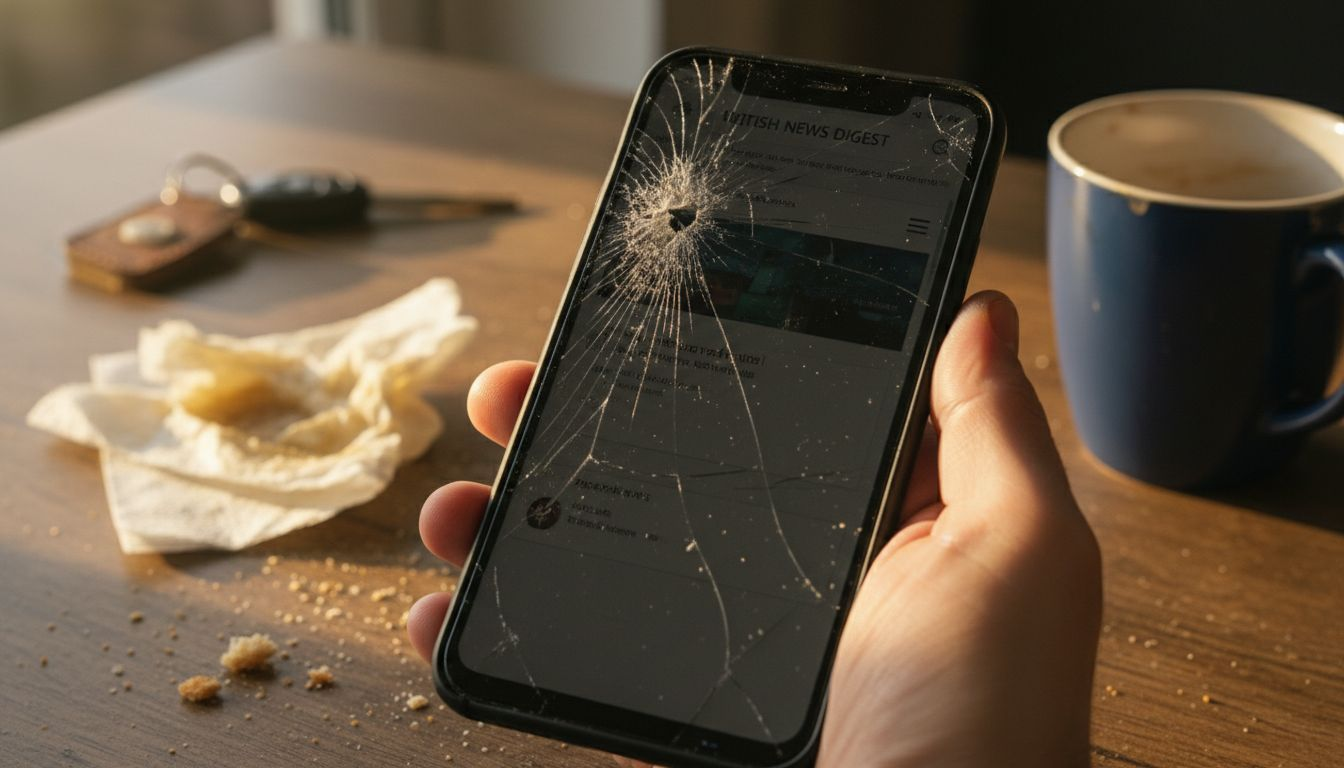
Battery-related issues represent another critical category of smartphone faults. Modern lithium-ion batteries experience gradual performance degradation characterised by reduced capacity, unexpected power drainage, and potential safety risks. Research indicates that battery faults are not merely technical inconveniences but can involve complex chemical and physical degradation processes that impact overall device reliability and user safety. Charging port problems further compound these challenges, with issues ranging from loose connections and debris accumulation to complete port failure.
Understanding these fault categories requires a holistic approach that considers both immediate technical symptoms and underlying degradation mechanisms. By recognising early warning signs and implementing proactive maintenance strategies, smartphone users can extend their devices’ functional lifespan and minimise repair costs.
Pro tip: Regularly clean charging ports with compressed air and use original manufacturer chargers to minimise battery and charging system deterioration.
Water Damage, Overheating and Camera Troubles
Smartphone users frequently encounter three critical hardware challenges that can significantly compromise device performance and longevity: water damage, overheating, and camera malfunctions. These issues represent complex technical problems that demand nuanced understanding and strategic intervention.
Water damage remains one of the most destructive smartphone threats, capable of causing immediate and long-term electronic system failures. Liquid exposure can rapidly corrode internal components, short-circuit delicate circuits, and create irreversible damage within seconds of contact. Immediate action and professional assessment are crucial to mitigate potential permanent device destruction.
Smartphone overheating mechanisms represent a sophisticated technical challenge involving thermal stress and temperature management. Excessive heat can compromise battery performance, degrade internal components, and potentially create safety hazards. Camera troubles further compound these technical challenges, with issues ranging from mechanical lens misalignment to sensor degradation and software-related image processing problems. Modern smartphones require intricate thermal management systems to prevent performance decline and ensure consistent operational reliability.
Each of these issues demands a multifaceted approach to diagnosis, prevention, and potential repair. Understanding the underlying mechanisms helps smartphone users develop proactive maintenance strategies that can extend device life and minimise potential long-term damage.
Pro tip: Keep your smartphone away from direct sunlight, avoid charging in high-temperature environments, and use protective cases that allow proper heat dissipation.
Diagnosing Software Glitches and Connectivity Drops
Smartphone technology relies on intricate software systems and network connectivity, making software glitches and connectivity issues particularly challenging for users. These technical problems can range from minor inconveniences to complete system failures, significantly impacting daily digital interactions and productivity.
Modern smartphones operate through complex network infrastructures, with multiple potential points of failure. Network performance diagnostics involve sophisticated analysis of parameters like packet loss, signal strength, and network latency. Software glitches often manifest through unexpected application crashes, system slowdowns, unresponsive interfaces, and intermittent connectivity problems that can frustrate even the most patient users.
Connectivity drops represent a particularly nuanced challenge, involving interactions between hardware components, software protocols, and external network infrastructure. These issues can stem from multiple sources, including outdated software, hardware limitations, network provider configurations, and environmental interference. Understanding the root causes requires a systematic approach to troubleshooting that examines both device-specific settings and broader network environmental factors.
Effective diagnosis demands a methodical strategy that combines technical knowledge, systematic testing, and strategic problem-solving. Users must develop skills in identifying symptom patterns, understanding error messages, and implementing targeted interventions to restore optimal smartphone functionality.
Pro tip: Regularly update your smartphone’s operating system, clear application cache, and restart your device to prevent minor software and connectivity issues from escalating.
Repair Risks and Mistakes To Avoid
Smartphone repairs represent a complex landscape fraught with potential pitfalls that can transform a simple maintenance task into a costly disaster. DIY repairs and professional interventions alike carry significant risks that demand careful consideration and strategic planning.
Understanding mobile device repair vulnerabilities is crucial for preventing unintended consequences. Technical risks extend beyond physical damage, encompassing security vulnerabilities, data exposure, and potential system-wide failures. Common mistakes include using inappropriate tools, mishandling delicate components, voiding manufacturer warranties, and compromising device security through improper repair techniques.
Most repair-related risks fall into several critical categories: physical damage, data loss, security compromises, and financial implications. Inexperienced technicians might inadvertently damage sensitive electronic circuits, break fragile connectors, or introduce moisture into critical system components. Moreover, improper repairs can create backdoors for potential malware infiltration, rendering the device vulnerable to cybersecurity threats.
Successful smartphone repairs require a combination of technical knowledge, precision tools, and a methodical approach. Users must recognise their skill limitations, understand the specific repair requirements of their device model, and be prepared to seek professional assistance when complex issues arise.
Pro tip: Always back up your device data, work in a clean, well-lit environment, and use anti-static equipment to minimise potential repair complications.
Choosing Reliable, Quality Replacement Parts
Navigating the complex world of smartphone replacement parts requires a strategic approach that balances cost, quality, and device compatibility. Replacement parts represent a critical decision point for DIY repair enthusiasts and professional technicians alike, with significant implications for device performance and longevity.
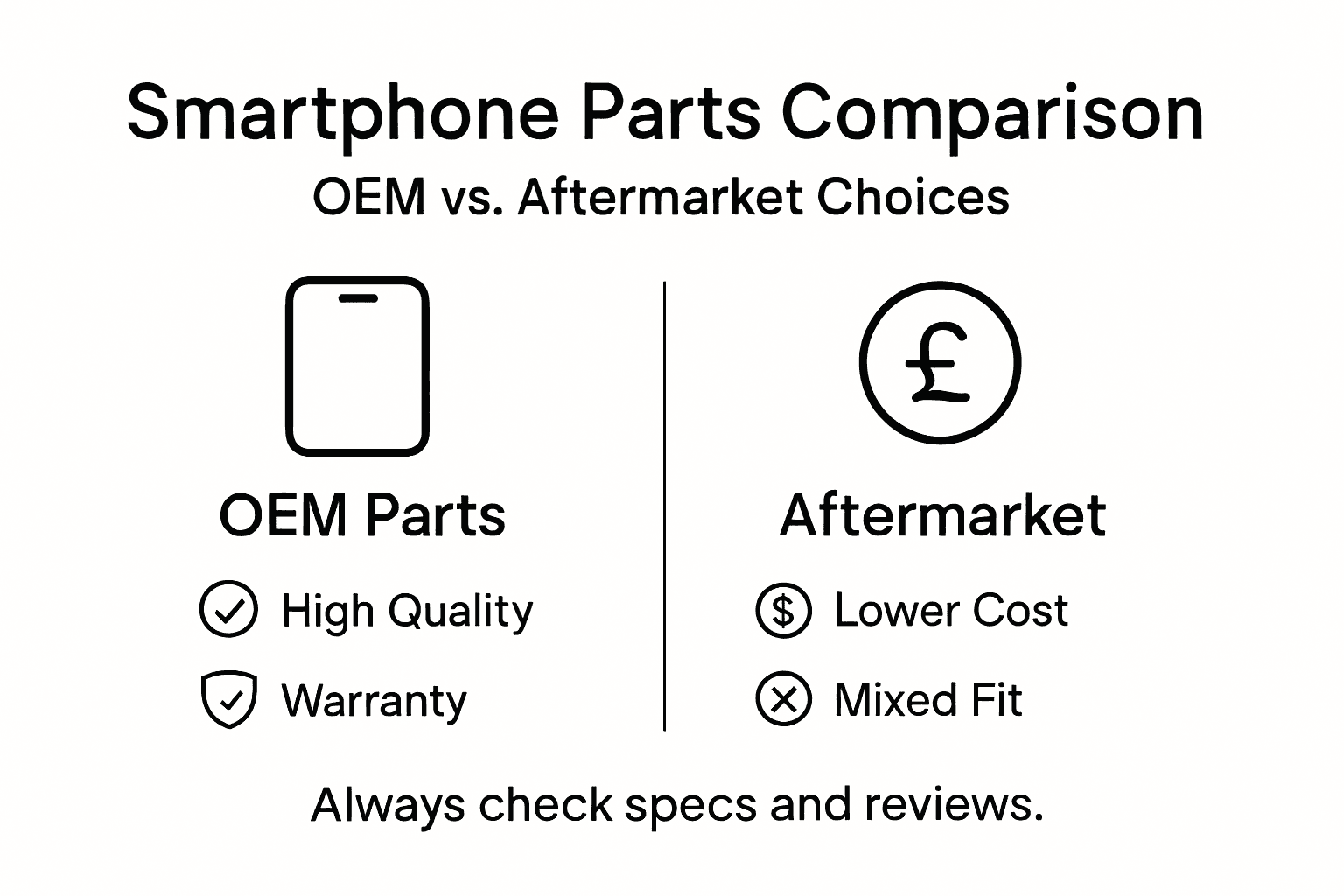
Smartphone repair quality strategies involve understanding the nuanced landscape of parts sourcing, including original equipment manufacturer (OEM) components and aftermarket alternatives. Consumers must carefully evaluate multiple factors such as part origin, manufacturing standards, compatibility specifications, and potential warranty implications. Original manufacturer parts typically offer the highest reliability but often come with premium pricing, while aftermarket components provide more affordable alternatives with varying quality levels.
Quality replacement parts demand rigorous assessment across multiple dimensions. Critical evaluation criteria include material durability, precise manufacturing tolerances, electrical conductivity, thermal resistance, and structural integrity. Experienced repair technicians recommend conducting comprehensive compatibility checks, verifying component specifications, and understanding potential performance trade-offs between different part categories. Some aftermarket components may offer comparable performance to original parts, while others might compromise device functionality or introduce unexpected operational risks.
Successful part selection requires a holistic approach that considers not just immediate repair needs but long-term device reliability. Users must balance cost considerations with quality assurance, recognising that seemingly economical choices can result in more expensive complications if parts fail prematurely or cause additional damage.
The following table compares OEM and aftermarket replacement smartphone parts across key criteria:
| Criteria | OEM Parts | Aftermarket Parts |
|---|---|---|
| Quality Assurance | Strict manufacturer standards | Varies widely, inconsistent quality |
| Compatibility | Guaranteed fit and performance | May lack precise compatibility |
| Cost | Generally highest price | Often more affordable alternatives |
| Warranty Impact | Maintains manufacturer warranty | May void device warranty |
| Longevity | Designed for long-term reliability | Lifespan depends on part source and quality |
Pro tip: Always verify part compatibility through manufacturer specifications, read detailed product reviews, and purchase from reputable suppliers with clear return policies.
Solve Common Smartphone Issues with Trusted Parts and Expert Support
Dealing with smartphone problems such as cracked screens, battery faults, or charging issues can be frustrating and costly. The article highlights how hardware malfunctions and software glitches often reduce device usability and cause stress. At Buy2fix, we understand the challenge of finding high-quality replacement parts that fit your smartphone perfectly while ensuring reliability and safety. Our extensive range includes LCD screens and display assemblies, charging ports, and other critical components designed for top brands like iPhone, Samsung Galaxy, and Huawei.
Why struggle with trial and error when you can access quality parts backed by a one-year warranty and strict quality control? Visit Buy2fix to browse our comprehensive mobile phone repair parts and enjoy free UK Mainland shipping. Whether you are a DIY enthusiast or a professional technician, our product selection and expert guidance let you take control of your smartphone repairs with confidence.
Ready to restore your device to its best condition? Explore our Mobile Phone Repair Parts today and take the first step towards affordable, reliable fixes that extend your smartphone’s lifespan.
Frequently Asked Questions
What are some common smartphone hardware issues?
Common hardware issues include cracked screens, battery degradation, charging port failures, and internal component malfunctions. These problems can significantly affect device usability and performance.
How can I diagnose software glitches on my smartphone?
To diagnose software glitches, restart your device, update the operating system, clear app caches, and observe any error messages for troubleshooting. Systematic testing can help identify patterns to resolve issues effectively.
What should I do if my smartphone experiences water damage?
If your smartphone is exposed to water, immediately switch it off and remove any accessories. Allow it to dry completely, and consider seeking professional assessment to mitigate potential irreversible damage to internal components.
What factors should I consider when choosing replacement parts for my smartphone?
When selecting replacement parts, evaluate compatibility, quality assurance, warranty impact, and cost. Original equipment manufacturer (OEM) parts typically offer reliability, while aftermarket parts may vary in quality. Comprehensive checks on part specifications are essential.
Recommended
Let customers speak for us
Great

I saw this item and it was just what I was looking for. I found it here but not in Amazon or e-bay. However, it was in UK, I was surprised to find that they were able to ship it to the US. Excellent company, would do business with again

This is great for when out and about, to sharpen either coloured pencils, or watercolour pencils….would order again.

Great items would bye again

I have purchased several items from this store before. Recently, I encountered an issue with my latest order. After reporting the problem to customer support, they were consistently attentive and made every effort to resolve the situation. Upon investigation, they acknowledged the issue and promptly fixed it. This experience has increased my level of trust in this store.
Thank you so much. I'm so happy.

très bien

BC70 Car Bluetooth 5.0 FM Transmitter Radio Adapter Dual Display Wireless Handsfree Call MP3 Music Player QC3.0 PD USB Charger

A quite sturdy cover, if you are looking for full protection and a more business-like style, this cover perfectly fulfills its purpose.
The shipping was fast, and it was delivered in perfect condition.

For LG TV Bluetooth Handheld Infrared Voice Multi-Function Remote Control(AKB75855501)

Tusen tack för bästa service och produkt som jag vänlig önskar dig tack

Works correctly and no issues so far

Took a while to get here but it was all good, watch looks brand new after replacement

What a fantastic 👏🏻 stylish case that has helped my phones temperature in the heatwave!!
Perfect 👌🏻 also it's cool as f##k

I love it!
