

Signs Of Failing Phone Batteries – Why Early Action Matters
Many smartphone users are caught off guard when their device battery suddenly underperforms or shuts down. For DIY repair enthusiasts and veteran technicians across the United Kingdom, understanding the gradual nature of battery degradation is crucial for quality repairs and customer trust. Recognising how lithium-ion cells break down over time, rather than failing overnight, empowers you to spot early Warning signs and give clients longer-lasting solutions.
Table of Contents
- Defining Phone Battery Failure And Misconceptions
- Common Types Of Mobile Phone Batteries
- How Phone Batteries Deteriorate Over Time
- Key Warning Signs And User Symptoms
- Risks Of Ignoring Battery Failure Signs
- Choosing Reliable Replacement And Installation
Key Takeaways
| Point | Details |
|---|---|
| Battery Degradation Understanding | Battery failure results from gradual capacity loss and internal resistance increase due to various factors, such as age and charging habits. Regular monitoring is essential for early detection of issues. |
| Signs of Potential Failure | Key indicators of battery health include rapid drain, overheating during charging, and physical swelling. Users should log battery performance to track degradation patterns. |
| Safety Risks | Ignoring battery failure symptoms can lead to significant risks, including device overheating and potential fires. Proactive maintenance is crucial to ensure safety and device longevity. |
| Reliable Replacement Selection | When replacing batteries, ensure compatibility with original specifications and choose certified products. This prevents safety hazards and ensures optimal performance. |
Defining Phone Battery Failure And Misconceptions
Phone batteries don’t simply stop working overnight. Instead, they experience a gradual process of degradation driven by complex electrochemical changes. Understanding these mechanisms helps smartphone users recognise early warning signs and take proactive maintenance steps.
Battery failure is fundamentally about capacity loss and increased internal resistance. Microscopic material breakdown occurs through multiple interconnected processes that slowly compromise battery performance. Key factors influencing this deterioration include:
- Age of the battery
- Frequency and style of charging
- Environmental temperature exposure
- Mechanical stress on the device
- Charging infrastructure and voltage fluctuations
Contrary to popular misconceptions, modern lithium-ion batteries do not suffer from traditional “memory effect”. Battery degradation mechanisms are far more nuanced than older battery technologies. Deep discharging, often mistakenly believed to extend battery life, can actually accelerate wear and reduce overall longevity.
Battery Health Indicators
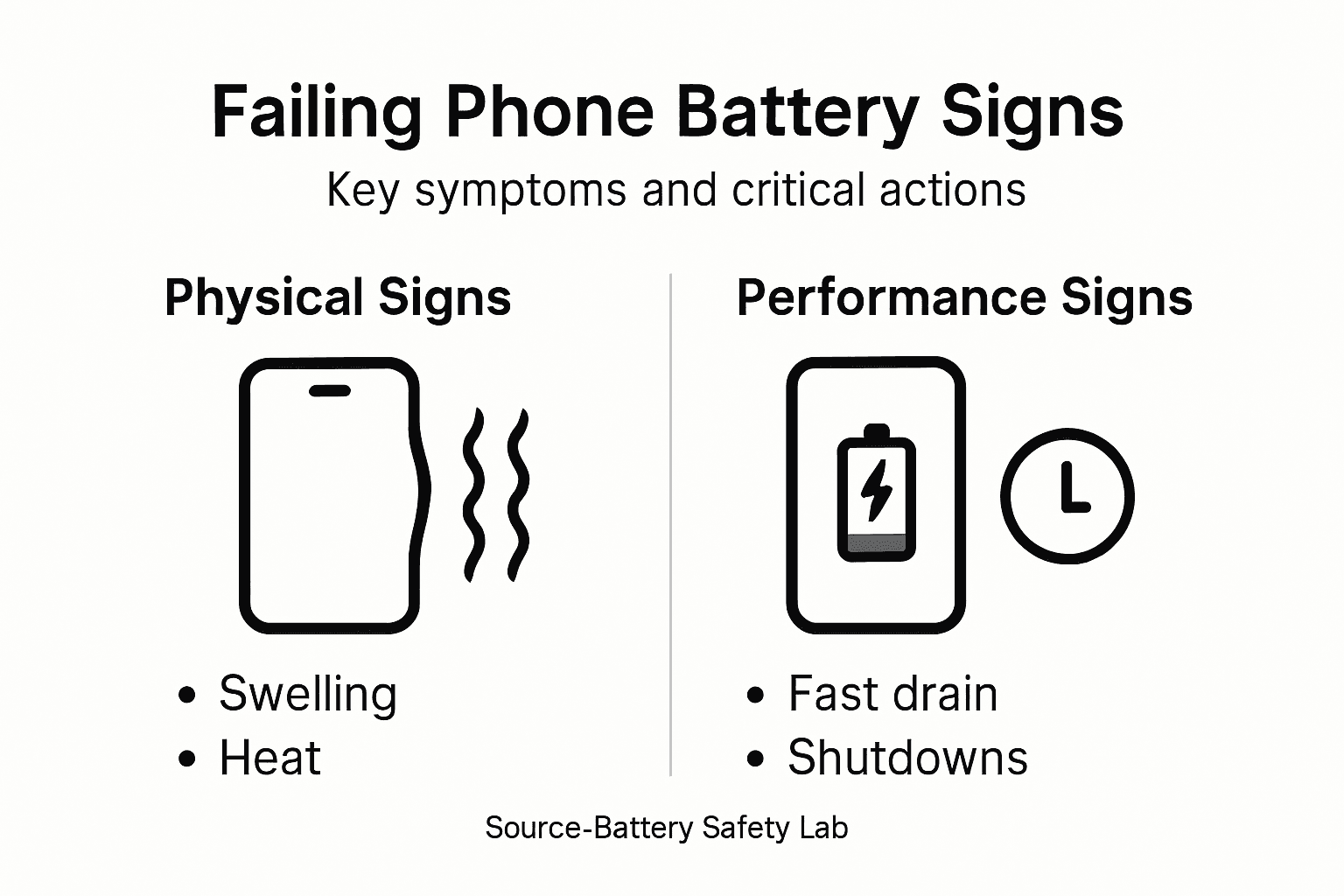
Recognising potential battery failure involves monitoring several critical performance signals:
- Unexpected rapid battery drain
- Increased device heating during charging
- Sudden unexpected shutdowns
- Reduced maximum charge capacity
- Visible battery swelling or physical deformation
Pro tip: Keep a log of your device’s battery performance to track gradual changes and identify potential issues before complete failure occurs.
Common Types Of Mobile Phone Batteries
Modern mobile phones primarily rely on rechargeable battery technologies that have evolved significantly over the past decades. Mobile phone battery categories can be broadly classified into two main groups: primary (non-rechargeable) and secondary (rechargeable) batteries, with secondary batteries dominating contemporary smartphone design.
The most prevalent battery technologies in current mobile devices include:
- Lithium-Ion (Li-ion): Highest market penetration
- Lithium-Polymer (Li-Po): Flexible design capabilities
- Nickel-Metal Hydride (NiMH)
- Older Nickel-Cadmium (NiCd) technologies
Lithium-Based Battery Characteristics
Lithium battery technologies offer remarkable advantages for modern smartphones. Li-ion batteries provide exceptional energy density, minimal weight, and no traditional memory effect. They can typically maintain 80% of their original capacity after 300-500 charge cycles, making them ideal for daily smartphone usage.
Lithium-Polymer (Li-Po) batteries represent a more advanced iteration, featuring polymer electrolytes that enable more flexible form factors. These batteries are particularly suited to ultra-thin smartphone designs, offering lighter weight and potential custom shapes compared to traditional Li-ion counterparts.
Key performance differences between battery types include:
- Energy storage capacity
- Charging speed
- Longevity of charge cycles
- Weight and physical dimensions
- Temperature tolerance
Pro tip: Always purchase smartphone batteries from reputable manufacturers and avoid counterfeit replacements that could compromise device performance and safety.
Here is a comparative overview of major mobile phone battery technologies:
| Battery Type | Typical Lifespan | Weight/Size | Key Design Benefit |
|---|---|---|---|
| Lithium-Ion (Li-ion) | 2-3 years | Light and compact | High energy density |
| Lithium-Polymer (Li-Po) | 2-3 years | Ultra-thin, flexible | Enables slim smartphones |
| Nickel-Metal Hydride (NiMH) | 1-2 years | Heavier | Lower environmental impact |
| Nickel-Cadmium (NiCd) | 1-2 years | Bulky, heavy | Stable in extreme cold |
How Phone Batteries Deteriorate Over Time
Battery degradation is a complex, inevitable process that gradually undermines smartphone performance. Battery chemical changes represent a microscopic transformation occurring with each charge and discharge cycle, fundamentally altering the battery’s internal structure.
The primary mechanisms of battery deterioration involve several critical processes:
- Lithium ion movement between electrodes
- Microscopic material warping
- Chemical stress accumulation
- Internal resistance increase
- Capacity reduction
Chemomechanical Degradation Factors
Battery deterioration mechanisms reveal that lithium-ion batteries essentially ‘breathe’ during charging, experiencing continuous expansion and contraction. This persistent movement creates microscopic structural changes, generating tiny cracks and stress points within the battery’s complex internal architecture.
Environmental conditions dramatically accelerate battery degradation. Extreme temperatures, both hot and cold, cause rapid chemical breakdown and increase internal resistance. Humidity, charging habits, and even software performance can influence the rate of battery deterioration.
Key observable signs of battery aging include:
- Reduced overall battery capacity
- Faster discharge rates
- Increased device heating during charging
- Unexpected power fluctuations
- Diminished maximum charge percentage
Pro tip: Maintain your smartphone between 20-80% charge and avoid extreme temperatures to minimise battery degradation.
Key Warning Signs And User Symptoms
Battery degradation manifests through numerous observable symptoms that smartphone users must recognise early. Phone battery warning indicators represent critical signals of potential underlying performance issues that demand immediate attention.
The most significant warning signs include:
- Dramatically faster battery drain rates
- Prolonged charging durations
- Unexpected device shutdowns
- Persistent overheating during normal usage
- Noticeable reduction in screen-on time
- Physical battery distortion or swelling
Physical and Performance Indicators
Battery damage symptoms extend beyond mere performance metrics. Physical manifestations such as battery swelling can indicate serious internal deterioration. These changes might include visible device back panel distortion, unusual heat generation, or battery casing deformation.
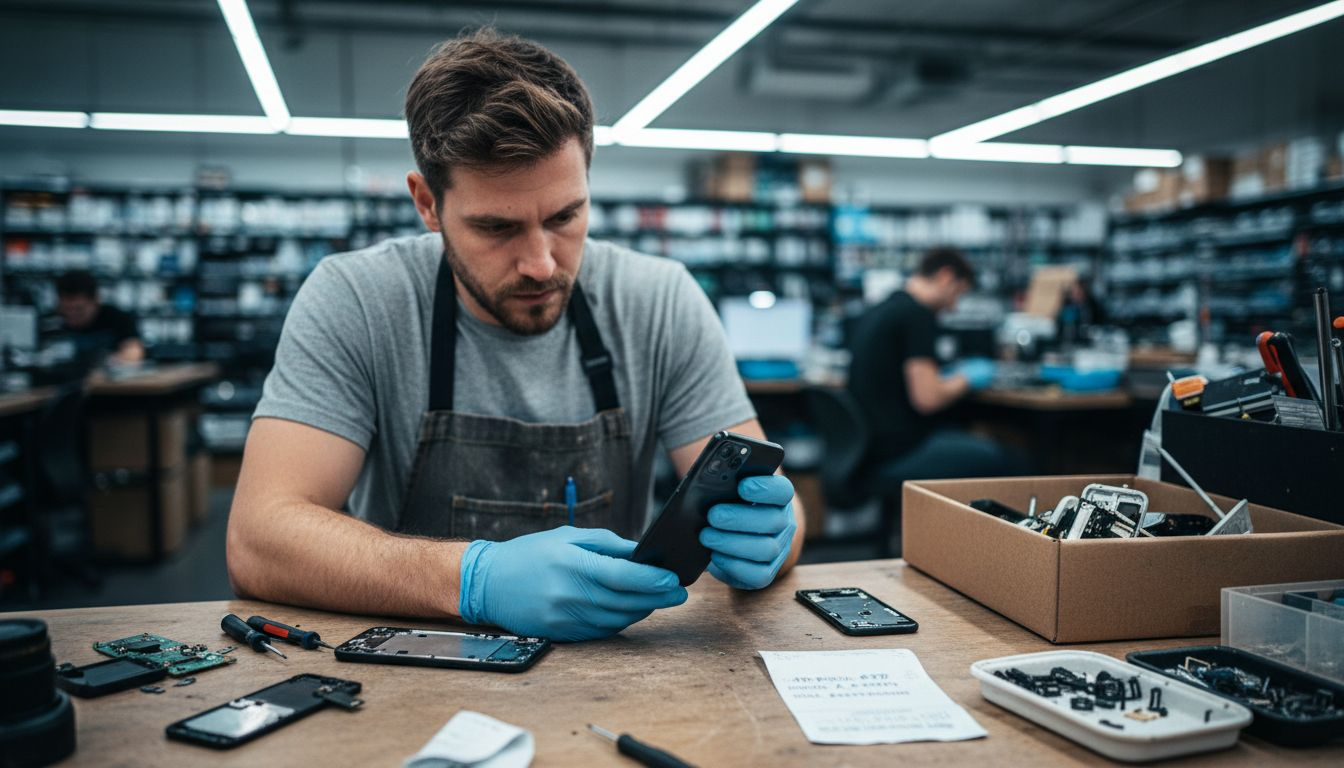
Performance-related symptoms often emerge gradually. Users might notice their smartphone losing charge significantly faster than when new, experiencing inconsistent battery percentage readings, or requiring more frequent charging. These indicators suggest the battery’s chemical composition has begun to degrade, reducing its overall efficiency and reliability.
Critical battery health warning signs include:
- Battery percentage dropping rapidly without significant use
- Device becoming unusually warm during light tasks
- Charging taking substantially longer than previously
- Battery percentage becoming unpredictable
- Visible physical changes to battery or device casing
Pro tip: Regularly monitor your device’s battery performance and keep a log of unusual behaviour to track potential degradation patterns.
Risks Of Ignoring Battery Failure Signs
Battery degradation represents more than just a performance issue - it can become a significant safety concern for smartphone users. Battery failure risks extend far beyond simple inconvenience, potentially compromising device integrity and user safety.
The most critical risks associated with neglecting battery health include:
- Potential device overheating
- Fire or explosion hazards
- Voltage irregularities
- Software corruption
- Permanent hardware damage
- Data loss and device malfunction
Safety and Performance Implications
Lithium-ion battery deterioration can trigger catastrophic events known as thermal runaway. This phenomenon occurs when battery internal temperature rises uncontrollably, potentially leading to spontaneous combustion or complete device failure. The chemical breakdown within lithium-ion cells means continued use beyond recommended thresholds dramatically increases these risks.
Beyond immediate safety concerns, ignoring battery failure signs can result in substantial financial and operational consequences. Unexpected device shutdowns during critical moments, loss of important data, and potential complete device replacement represent significant potential expenses that could have been mitigated through proactive battery maintenance.
Critical risks of neglecting battery health include:
- Potential personal injury from battery malfunction
- Permanent smartphone damage3. Loss of critical personal or professional data
- Unexpected device performance interruptions
- Increased long-term replacement costs
Pro tip: Schedule regular battery health checks and replace batteries at the first signs of significant degradation to prevent potentially dangerous situations.
Choosing Reliable Replacement And Installation
Battery replacement requires careful consideration to ensure device safety and performance. Phone battery selection criteria involve multiple critical factors that extend beyond simple price comparisons.
Key considerations when selecting replacement batteries include:
- Original device specifications matching
- Certified lithium-ion technology
- Manufacturer reputation
- Warranty coverage
- Overcharge protection features
- Cycle life performance
Technical Selection Parameters
Smartphone battery replacement strategies emphasise the importance of compatibility and quality. Professional technicians recommend prioritising batteries with identical voltage, capacity, and architectural design to the original component. Cheap, uncertified alternatives frequently compromise device integrity and introduce significant safety risks.
Beyond specifications, users must evaluate additional crucial factors such as thermal management capabilities, manufacturer certifications, and long-term performance guarantees. Reputable battery suppliers typically provide detailed technical documentation demonstrating product reliability and adherence to international safety standards.
Critical battery replacement selection criteria include:
- Exact voltage matching
- Compatible physical dimensions
- Manufacturer certification
- Warranty length
- Independent safety testing credentials
Pro tip: Always request professional documentation and certification details when purchasing replacement batteries to ensure maximum device safety and performance.
The table below summarises safe battery replacement selection criteria:
| Selection Criterion | Why It Matters | Example Risk If Ignored |
|---|---|---|
| Exact voltage matching | Prevents electrical damage | Device short-circuit |
| Certified manufacturer | Ensures safety and reliability | Early battery failure |
| Proper physical size | Avoids installation issues | Battery swelling |
| Warranty coverage | Offers consumer protection | No support for defects |
Take Control Of Your Phone Battery Health Today
Recognising the early signs of phone battery failure such as rapid drain, unexpected shutdowns, and overheating is crucial for maintaining your device’s safety and performance. Ignoring these warning indicators not only shortens your smartphone’s lifespan but also risks serious damage or safety hazards. At Buy2fix, we understand these challenges and offer a wide selection of high-quality and compatible replacement parts including reliable batteries and essential repair components designed to restore your device’s reliability.
Explore our extensive range of Mobile Phone Repair Parts and secure genuine or premium aftermarket replacements for brands like iPhone, Samsung Galaxy, Huawei, and more. Don’t wait until your battery problem escalates. Visit Buy2fix now and take advantage of our expert-tested components, UK mainland free shipping, and 30-day return policy to confidently extend the life of your smartphone today.
Frequently Asked Questions
What are the early signs of a failing phone battery?
Signs of a failing phone battery include unexpected rapid battery drain, increased device heating during charging, sudden unexpected shutdowns, reduced maximum charge capacity, and visible battery swelling or physical deformation.
How does battery degradation occur in smartphones?
Battery degradation in smartphones occurs through a gradual process of electrochemical changes, including lithium ion movement between electrodes, microscopic material warping, chemical stress accumulation, and increases in internal resistance which reduce overall capacity.
What should I do if I notice my phone battery swelling?
If you notice your phone battery swelling, it is crucial to stop using the device immediately and seek professional assistance for battery replacement to avoid potential safety hazards, including risks of fire or explosion.
How can I prolong the lifespan of my phone battery?
To prolong your phone battery’s lifespan, maintain the charge between 20-80%, avoid extreme temperatures, and keep a log of your device’s battery performance to identify changes over time.
Recommended
Let customers speak for us
Well made part very strong easy to fit great value for the money

Well packed, with fast shipping :)

Exactly what the doctor ordered…great color, comfort, and durability. Trust this watch band!

Brilliant strap, second purchase, bought bracelet before. Excellent value. Thank you

Great item for splitting your Audio signal

Outstanding product!
Next level customer service.

Very satisfied but the delivery needs to get more faster...

Good price,quick delivery

Best phone case ever! This is my second one as I broke my first. Would defo recommend

Great fitting Apple Watch bands

For Apple Watch Ultra 3 / 2 / 1 49mm RedPepper Armor Metal Case Integrated Silicone Watch Band(Steel Black White)

Good price and quick postage

Perfect fit.

Absolutely necessary

Second Purchase and still a very happy customer. Keep up the good work.
