

Phone screen repair costs explained: save money in 2026
TL;DR:
- Phone repair costs vary widely based on device model, screen type, and repair route.
- DIY repairs can save money but carry risks of damage, voiding warranties, and losing water resistance.
- Independent repair shops usually offer a good balance of cost, speed, and warranty compared to manufacturers or DIY.
Cracked phone screens are one of the most common and frustrating accidents in the UK, yet millions of people either overpay for repairs or put them off entirely because the costs seem unpredictable. The truth is, repair prices vary enormously depending on your device, the type of damage, and the route you choose. Whether you are a DIY enthusiast looking to save money, or a small repair business sourcing reliable parts, understanding what drives these costs puts you firmly in control. This guide breaks down realistic UK pricing, compares every repair route honestly, and gives you practical tips to spend less without cutting corners.
Table of Contents
- What determines phone screen repair costs?
- DIY screen repair: is it worth it?
- Choosing between manufacturer, independent repair, and DIY: pros and cons
- Practical tips to cut your phone screen repair bill
- What most people miss about phone screen repairs
- Find quality parts and reliable help for phone repairs
- Frequently asked questions
Key Takeaways
| Point | Details |
|---|---|
| Repair costs vary widely | UK screen repair prices range from £20 DIY to £389 for official service depending on model and repair route. |
| DIY saves but comes with risks | Do-it-yourself repair can cut costs but may void your warranty or cause further damage if not careful. |
| Independents offer great value | Independent repair shops can deliver quality work for up to 60% less than manufacturer repairs, often with same-day service. |
| Choose wisely for your skill level | Your best repair option depends on your confidence, device value, and whether warranty protection matters. |
What determines phone screen repair costs?
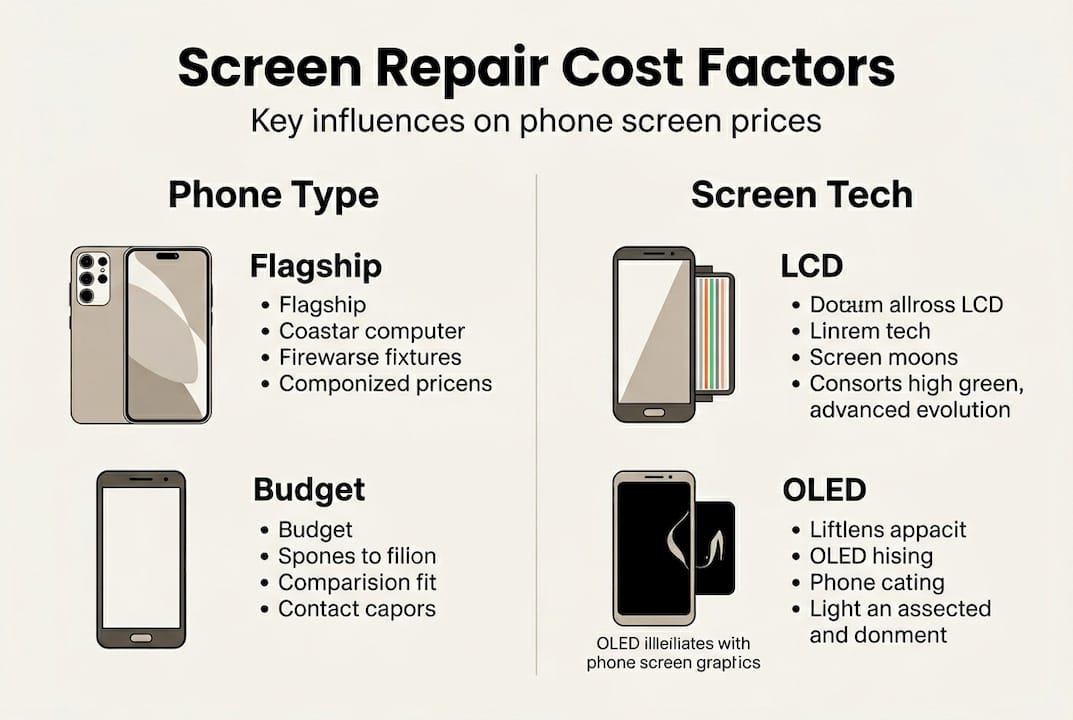
With that context, let’s look at what drives the price when your phone screen cracks. The single biggest factor is your device. Repairing an older Android handset is a very different proposition to replacing the display on a flagship iPhone or Samsung Galaxy S series. Newer models use more advanced display technology, and their parts are simply more expensive to source.
The type of screen matters enormously. Modern smartphones use either LCD or OLED displays. OLED panels, found in most premium devices, are significantly pricier to replace because the technology is more complex and the components cost more. If only the outer glass is cracked but the display underneath still works, some repair shops can replace just the glass, which is cheaper. However, most repairs involve the full display assembly, which includes the digitiser (the touch-sensitive layer) bonded to the screen.
Parts quality is another major variable. You can choose between OEM (original equipment manufacturer) parts, which are identical to what your phone shipped with, or aftermarket alternatives. Aftermarket parts can be excellent quality at a lower price, but they vary widely. Reputable suppliers test their stock before shipping, which makes a real difference to the end result.
Labour costs depend on whether you use a manufacturer service centre, an independent repair shop, or do the job yourself. Here is a snapshot of typical UK repair pricing in 2026:
- iPhone 13 screen replacement: £149 to £330 (official to third-party)
- iPhone 14 screen replacement: £169 to £359
- iPhone 15 Pro Max screen replacement: £250 to £389
- Samsung Galaxy S23 screen replacement: £120 to £280 depending on repair route
- Budget Android handsets: £30 to £80 at most independent shops
For a deeper breakdown of iPhone repair costs UK, including model-by-model pricing, it is worth checking dedicated guides before you commit to any repair route.
Pro Tip: Always ask a repair shop whether they are quoting for the full display assembly or glass-only repair. The difference in price and longevity is significant.
DIY screen repair: is it worth it?
Once you know what affects cost, you might wonder if doing it yourself is a real option. For many people, it genuinely is, but the answer depends on your device, your confidence level, and how much you value your time.
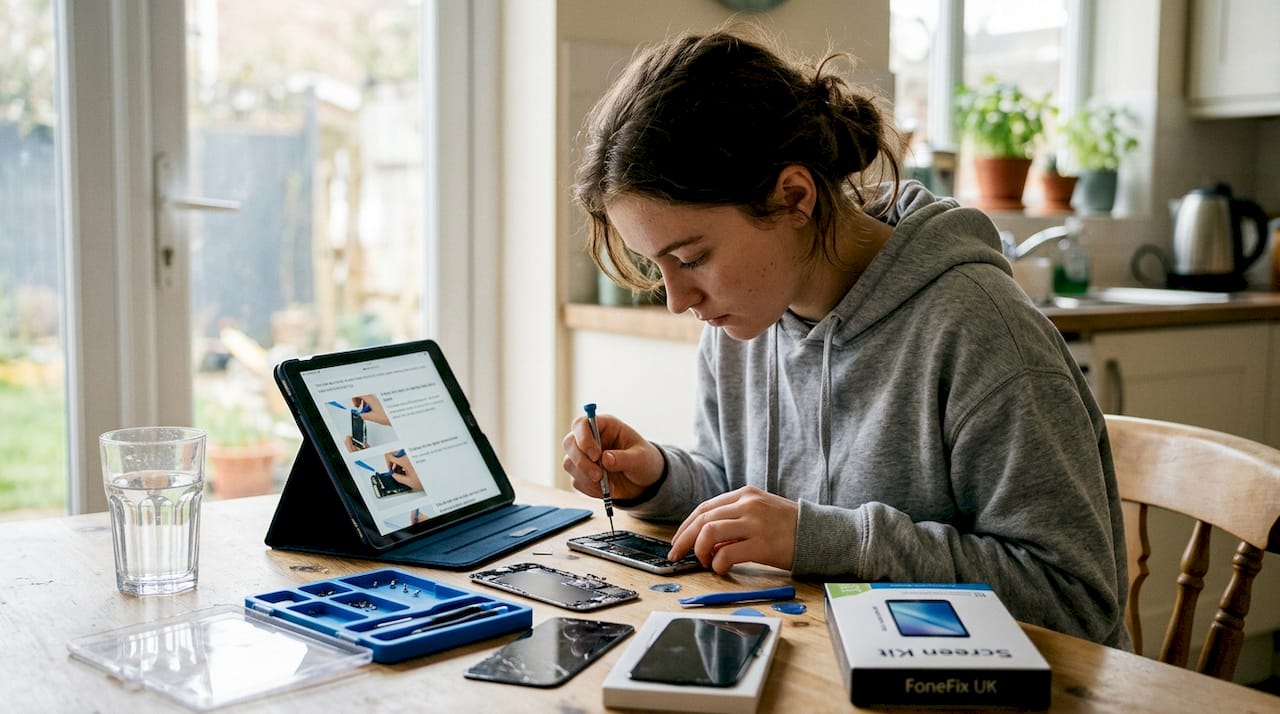
DIY screen kits typically cost £20 to £80 for the replacement screen itself, plus £5 to £60 for a tool kit if you do not already own one. On paper, that is a substantial saving compared to professional repair. In practice, the savings are real, but so are the risks.
| Repair route | Typical cost | Skill level needed | Warranty impact |
|---|---|---|---|
| DIY (budget Android) | £20 to £50 | Beginner to intermediate | Voided |
| DIY (iPhone/Samsung flagship) | £60 to £150 | Intermediate to advanced | Voided |
| Independent repair shop | £60 to £200 | None required | Preserved (shop warranty) |
| Manufacturer service centre | £149 to £389 | None required | Preserved |
The risks of DIY are real and worth taking seriously. Modern flagships like the iPhone 15 series and Samsung Galaxy S24 are built with adhesive seals and tightly integrated components. Opening them incorrectly can damage the battery, flex cables, or face ID sensors. You will also lose any water resistance rating the phone had, which is not covered by most repair shop guarantees either.
For DIY screen repair steps and a full breakdown of DIY repair pros and cons, these guides walk you through exactly what to expect before you pick up a spudger.
DIY makes most sense when:
- Your phone is older and no longer under warranty
- The repair is straightforward (flat screen, no frame damage)
- You have handled electronics before and own the right tools
- The phone’s value does not justify a professional repair bill
Avoid DIY if you have an OLED display, a bent or damaged frame, or no previous experience with electronics repair. One wrong move can turn a £60 screen job into a £300 mistake.
Pro Tip: Watch at least two full video walkthroughs for your exact model before ordering any parts. The details differ between generations, even within the same brand.
Choosing between manufacturer, independent repair, and DIY: pros and cons
Knowing the upsides and downsides of DIY, it is important to compare all repair routes before you decide. Each option has a distinct profile of cost, speed, and risk.
| Option | Average UK cost | Turnaround | Best for |
|---|---|---|---|
| Manufacturer | £149 to £389 | 3 to 7 days | Warranty holders, latest models |
| Independent shop | £60 to £200 | Same day to 48 hours | Most users seeking value |
| DIY | £25 to £150 | Your own schedule | Confident, experienced users |
Here is when each route makes the most sense:
- Manufacturer service centre: Choose this if your phone is still under warranty or AppleCare+ and the repair is covered. It is the most expensive route otherwise.
- Independent repair shop: The sweet spot for most UK consumers. Independent shops charge 40 to 60% less than manufacturers and often offer same-day service.
- DIY repair: Best for experienced users, older devices, or repair businesses buying parts in volume.
“For edge cases like bent frames or LCD versus OLED complexity, professional tools are essential. Independent shops hit the sweet spot for most users: same-day service at a fraction of the manufacturer’s price.”
For practical strategies to save on repairs UK and a guide on UK DIY kit savings, these resources will help you make an informed call based on your specific phone and situation.
One thing many people overlook: independent shops vary enormously in quality. Always check reviews, ask about the parts they use, and confirm whether they offer a repair warranty. A good independent repairer will answer these questions confidently.
Practical tips to cut your phone screen repair bill
Once you have compared your options, here are specific ways to spend less and avoid regret when fixing your own or your customer’s screen.
Source parts carefully. Not all aftermarket screens are equal. Buy from suppliers who test their stock and offer a return policy. Cheap, untested parts can fail within weeks, costing you more in the long run. Look for suppliers who clearly state whether parts are OEM-grade or standard aftermarket.
Avoid hidden mark-ups. Some repair shops quote a low headline price and then add charges for adhesive, screen protectors, or labour on top. Always ask for a full written quote before handing over your phone.
Negotiate with local shops. Independent repairers often have more flexibility on price than chains. If you are a small repair business buying parts regularly, ask about trade pricing or bulk discounts. Many suppliers and shops are open to this conversation.
Key mistakes to avoid:
- Repairing under warranty yourself. DIY repair voids your warranty and can disqualify you from manufacturer support. If your phone is still covered, use the official route first.
- Buying the cheapest screen available. A £15 LCD panel for an OLED phone is a false economy. Colour accuracy, brightness, and touch sensitivity will all suffer.
- Skipping the repair guide. Even experienced technicians look up model-specific steps. Connectors and screw placements change between generations.
- Ignoring the battery. If your phone is more than two years old, replacing the battery at the same time as the screen often makes financial sense.
For affordable screen repair tips and a list of smartphone repair mistakes to steer clear of, these guides are worth reading before you start.
Pro Tip: If you run a small repair business, track your parts costs per job carefully. Sourcing from a single reliable supplier often works out cheaper than shopping around each time, even if individual part prices look slightly higher.
What most people miss about phone screen repairs
Beyond facts and figures, here is a perspective worth considering. Most people dramatically overestimate how difficult screen repair is, and at the same time, underestimate just how good a skilled independent repairer can be.
DIY is not always the cheapest option when you factor in the full picture. A beginner who damages a flex cable or cracks a new screen during installation has effectively doubled their repair cost. The £40 saving evaporates fast. What looks like a budget fix can quickly become an expensive lesson.
For small repair businesses, the real competitive advantage is not price alone. It is transparency and speed. Customers increasingly want to know exactly what parts are being used and why. Shops that explain their sourcing, show the parts, and offer a clear warranty build loyalty that undercuts any price comparison.
The complete screen replacement guide is worth bookmarking, because the most expensive repair is always the one done twice.
Find quality parts and reliable help for phone repairs
Ready to fix your screen or find parts you can trust? At Buy2Fix, we stock hand-picked screen assemblies, DIY kits, and tools for iPhones, Samsung Galaxy devices, and a wide range of other popular handsets. Every part is quality-checked before it leaves our warehouse, and we offer free UK mainland shipping with a one-year warranty on components. Whether you are a first-time DIY repairer or a professional technician sourcing parts in volume, our catalogue covers the models you actually work on. Browse our full range and pair it with our step-by-step repair guides to get the job done right the first time.
Frequently asked questions
How much does it cost to fix a phone screen in the UK in 2026?
Repair costs range from around £20 for a basic DIY kit to £389 for official Apple service on the latest Pro Max models. Independent shops typically charge 40 to 60% less than manufacturer service centres.
Is it safe to repair your own phone screen?
DIY is safe for users with experience and the right tools, but risks include voided warranty, loss of water resistance, and accidental component damage. Always follow a model-specific guide from a trusted source.
Does fixing your screen void the phone’s warranty?
Yes, in most cases. DIY repair voids warranty and most third-party repairs will do the same. Only official manufacturer repairs preserve your original warranty.
Which is cheaper: fixing a phone screen yourself or through a repair shop?
DIY kits cost £20 to £80 upfront, making them cheaper on paper, but repair shops offer guarantees and help you avoid the costly mistakes that beginners often make on their first attempt.
Recommended
Let customers speak for us
For Samsung Galaxy A26 SM-A266B Original Earpiece Speaker with Cable

Very good communication throught. Good product

Well made part very strong easy to fit great value for the money

Well packed, with fast shipping :)

Exactly what the doctor ordered…great color, comfort, and durability. Trust this watch band!

Brilliant strap, second purchase, bought bracelet before. Excellent value. Thank you

Great item for splitting your Audio signal

Outstanding product!
Next level customer service.

Very satisfied but the delivery needs to get more faster...

Good price,quick delivery

Best phone case ever! This is my second one as I broke my first. Would defo recommend

Great fitting Apple Watch bands

For Apple Watch Ultra 3 / 2 / 1 49mm RedPepper Armor Metal Case Integrated Silicone Watch Band(Steel Black White)

Good price and quick postage

