

Common Screen Replacement Issues – What Every Repairer Faces
Every british technician knows that screen replacement can be one of the trickiest mobile repair tasks, with even a minor alignment error sometimes turning a simple job into a costly fix. For anyone working with mobile devices, understanding these complications is crucial because one small mistake can ruin a premium screen or void a warranty. This guide breaks down the most common issues, compatibility challenges, and professional repair techniques so you can avoid the pitfalls and ensure successful repairs every time.
Table of Contents
- Understanding Common Screen Replacement Issues
- Types of Screens and Compatibility Challenges
- Installation Errors That Lead to Failure
- Quality Concerns and Identifying Defects
- Warranty, Returns, and Consumer Rights
Key Takeaways
| Point | Details |
|---|---|
| Screen Replacement Challenges | Technicians face difficulties such as connector alignment and static electricity damage, demanding precise techniques for each device model. |
| Screen Technology Varieties | Repair professionals must be familiar with different screen types like TN and OLED, as each has unique compatibility requirements. |
| Installation Precision | Even minor errors can lead to complete screen failure; proper grounding and the use of specialised tools are crucial. |
| Quality Inspection | Rigorous quality control is essential; technicians should use methods like pixel mapping to identify defects before installation. |
Understanding Common Screen Replacement Issues
Screen replacements represent one of the most complex and challenging tasks in mobile device repair. Technicians encounter numerous obstacles that can transform a seemingly straightforward repair into a technically demanding process. The complexity stems from the delicate nature of display components and the precise engineering required to successfully reinstall a new screen without compromising device functionality.
Professional repair technicians frequently encounter specific challenges when performing screen replacements. These typically include issues such as connector alignment, static electricity damage, ribbon cable fragility, and touch sensitivity calibration. Each smartphone model presents unique difficulties, meaning a technique that works perfectly for one device might completely fail with another. Understanding these nuanced challenges requires extensive technical knowledge and hands-on experience. Understanding Choosing Screen Replacements for Devices provides deeper insights into navigating these intricate repair processes.
The most common screen replacement issues can be categorised into several key areas:
- Improper screen connection
- Ribbon cable misalignment
- Static discharge risks
- Calibration failures
- Compatibility problems between original and replacement screens
Technicians must also be aware that modern smartphone screens are incredibly sophisticated components. They are not merely glass panels but complex multilayered assemblies incorporating multiple electronic elements. This complexity means that even minor installation errors can result in complete screen failure or reduced device performance.
Pro Repair Technique: Always ground yourself and use an anti-static wrist strap when performing screen replacements to minimise the risk of electronic component damage during the repair process.
Types of Screens and Compatibility Challenges
Screen technology has evolved dramatically, presenting repair technicians with increasingly complex compatibility challenges. Modern mobile devices utilise a range of display technologies, each with unique structural and electronic characteristics that demand specialised knowledge and precision during replacement. Types of LCD Screens: A Guide for Repair Experts highlights the intricate nuances of these technological variations.
The primary screen types encountered by repair professionals include Twisted Nematic (TN), In-Plane Switching (IPS), Organic Light-Emitting Diode (OLED), and Active-Matrix Organic Light-Emitting Diode (AMOLED) displays. Different screen technologies present unique visual ergonomic challenges, requiring technicians to understand not just physical replacement, but also intricate performance characteristics like viewing angles, colour reproduction, and touch sensitivity.
The following table compares the main screen technologies found in mobile devices:
| Screen Type | Visual Quality | Power Efficiency | Typical Use Cases |
|---|---|---|---|
| TN | Narrow viewing angles | High efficiency | Budget devices |
| IPS | Wide colour range | Moderate usage | Mid-range phones |
| OLED | Deep blacks, vivid colours | Low consumption | Premium smartphones |
| AMOLED | Superior contrast, flexible designs | Lowest power draw | Flagship devices |
Compatibility challenges extend beyond mere physical dimensions. Technicians must consider:
- Connector pin configurations
- Electronic interface standards
- Firmware and hardware integration requirements
- Pixel density and resolution matching
- Touch responsiveness specifications
Each smartphone manufacturer develops proprietary screen technologies, making universal replacement approaches impossible. A screen designed for an iPhone will not function identically in a Samsung device, despite potentially similar external appearances. These differences necessitate detailed model-specific knowledge and precise technical understanding.
Pro Repair Technique: Always verify the exact screen model number and device specifications before purchasing a replacement screen to ensure complete compatibility and optimal performance.
Installation Errors That Lead to Failure
Screen replacement is a delicate process fraught with potential pitfalls that can transform a routine repair into a catastrophic failure. Even experienced technicians can inadvertently compromise device functionality through seemingly minor installation mistakes. How to Replace LCD Screen: Step-By-Step Easy Guide provides crucial insights into navigating these complex repair challenges.
The most critical installation errors typically fall into several key categories of technical failure. Connector misalignment represents the most prevalent issue, where technicians fail to precisely match electrical contacts during screen reinstallation. Microscopic variations in pin positioning can result in complete screen non-functionality, rendering expensive replacement components instantly useless. Other catastrophic errors include:
- Excessive physical pressure during installation
- Improper ribbon cable connection
- Static electricity damage
- Incorrect screw torque
- Failure to ground electronic components
Mechanical stress represents another significant risk during screen replacement. Technicians must maintain absolute precision, understanding that modern smartphone screens are incredibly sophisticated multilayered electronic assemblies. Each component demands gentle handling and microscopically precise installation techniques. Applying inappropriate force or using incorrect tools can instantly destroy delicate internal connections, transforming a potential repair into a total device replacement scenario.
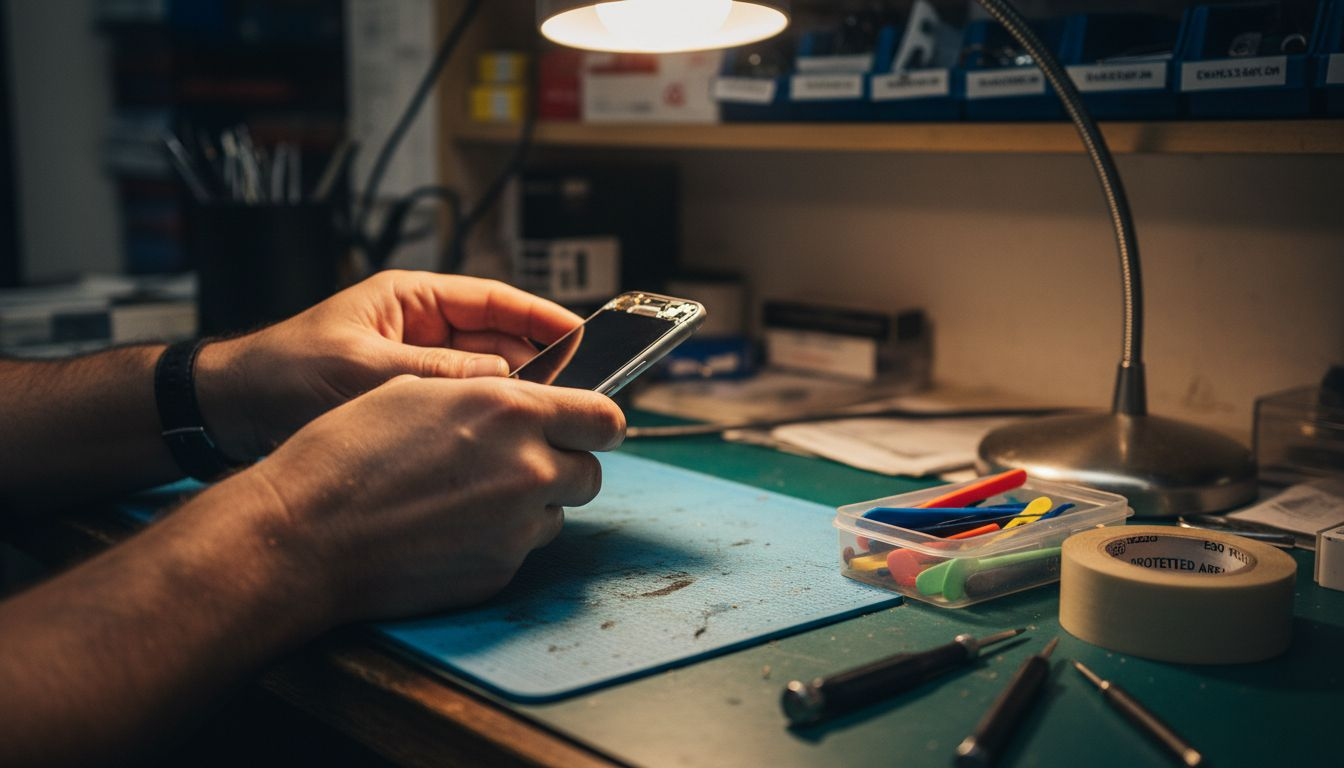
Pro Repair Technique: Always use specialised anti-static tools and work on a clean, grounded surface to minimise the risk of electronic component damage during screen replacement procedures.
Quality Concerns and Identifying Defects
Quality control represents a critical challenge in smartphone screen replacement, requiring technicians to develop sophisticated diagnostic skills. Understanding What are OEM Parts and Their Importance provides essential context for identifying genuine component quality standards. Professional repair specialists must meticulously evaluate replacement screens for numerous potential defects that can compromise device performance.
Display front-of-screen quality inspection techniques are essential for identifying microscopic imperfections. Defective pixels remain the most common quality issue, manifesting in various problematic forms. These pixel defects can be categorised into several critical types:
- Dead pixels: Permanently black or white screen areas
- Stuck pixels: Pixels locked in a single colour state
- Clustered pixels: Multiple defective pixels grouped together
- Colour distortion pixels: Pixels displaying incorrect colour information
- Dim or bright pixels: Inconsistent luminosity compared to surrounding pixels
Technicians must employ rigorous visual and technical inspection methods to detect these subtle screen imperfections. Modern smartphone displays are complex multilayered electronic assemblies where even minimal defects can significantly impact user experience. Systematic testing involves examining screens under different lighting conditions, running pixel mapping software, and performing detailed visual inspections at multiple magnification levels.
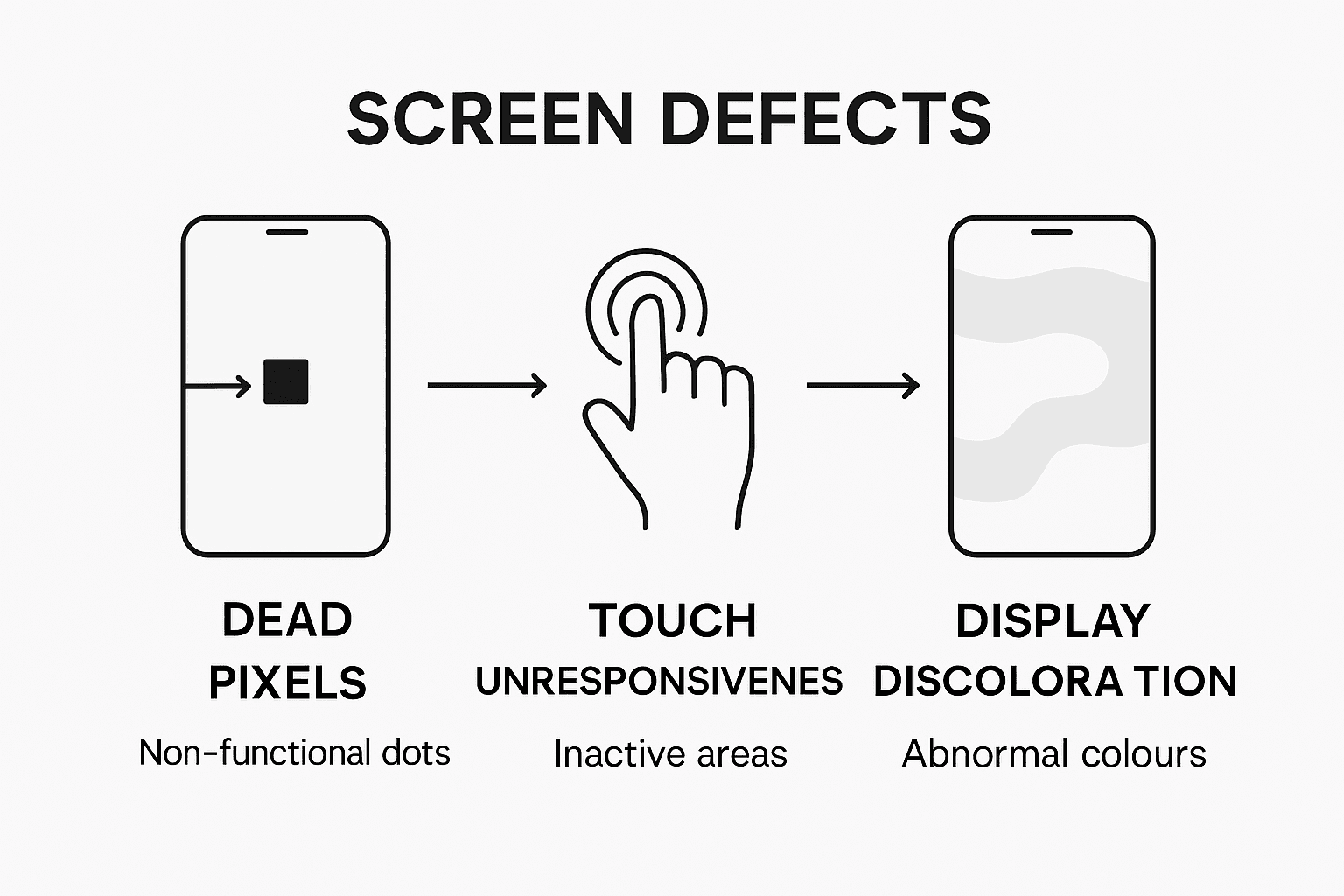
This table summarises key inspection techniques for identifying screen defects:
| Inspection Method | What It Detects | When to Use |
|---|---|---|
| Pixel Mapping Software | Dead/stuck pixels | Before screen installation |
| Magnified Visual Scan | Micro cracks, cluster faults | Under bright illumination |
| Colour Pattern Test | Colour distortion pixels | After replacing display |
| Ambient Light Checking | Dim/bright pixel inconsistencies | Final quality assurance |
Pro Repair Technique: Utilise specialised pixel testing software and perform comprehensive visual inspections under controlled lighting conditions to accurately identify and classify screen defects before installation.
Warranty, Returns, and Consumer Rights
Navigation of warranty and return policies represents a critical aspect of screen replacement that demands careful understanding from both repair professionals and consumers. Samsung Replacement Warranty: Complete Guide provides essential insights into the complexities of manufacturer warranty provisions. Repair technicians must be intimately familiar with the intricate legal frameworks governing consumer protection and electronic device replacements.
International standards like ISO 13406-2 establish precise guidelines for acceptable screen quality, particularly regarding pixel defect tolerance. These technical standards define critical parameters for warranty claims, including:
- Acceptable number of dead pixels
- Colour reproduction requirements
- Luminosity consistency standards
- Pixel cluster limitations
- Manufacturer-specific quality thresholds
Consumer rights in screen replacement scenarios are multilayered and complex. Technicians and consumers alike must understand that warranty coverage varies dramatically between manufacturers, with some offering comprehensive protection and others maintaining more restrictive policies. Detailed documentation, precise defect identification, and thorough understanding of statutory consumer protection regulations are essential for successfully navigating potential disputes.
Pro Repair Technique: Systematically document all screen replacement details, including original device condition, replacement component specifications, and installation procedures to strengthen potential warranty or consumer rights claims.
Tackle Screen Replacement Challenges with Confidence and Expert Parts
Screen replacement issues such as connector misalignment, ribbon cable fragility, and compatibility challenges pose significant hurdles for both professional technicians and DIY enthusiasts. The sensitivity of modern multilayered displays demands not only precise installation but also high quality replacement components tailored to exact device specifications. Understanding these pain points is the first step toward ensuring a successful repair that restores your device’s full functionality.
At Buy2fix, we specialise in providing premium mobile phone repair parts including LCD screens, flex cables, connectors and more for major brands like iPhone, Samsung, Huawei, and Xiaomi. Our extensive inventory allows you to select parts that meet stringent quality standards and compatibility criteria, reducing risks related to calibration failures or static damage. Whether you are addressing calibration issues or tackling subtle defects such as dead pixels, our products come with a one-year warranty and are supported by expert guidance to help you achieve professional repair results.
Do not let common screen replacement obstacles delay your repair workflow. Explore our Mobile Phone Repair Parts today and equip yourself with reliable, tested components. Take control of your screen replacements now with the confidence that comes from sourcing parts from a trusted UK-based supplier committed to quality, free UK mainland shipping, and robust consumer rights protection.
Frequently Asked Questions
What are the common issues faced during screen replacements?
Common issues during screen replacements include improper screen connections, ribbon cable misalignments, static discharge risks, calibration failures, and compatibility problems between the original and replacement screens.
How can installation errors affect screen replacement?
Installation errors, such as connector misalignment, excessive pressure, and static electricity damage, can lead to complete screen failure or compromised device functionality, making precision crucial during the replacement process.
What types of screens are there and how do they differ?
The main types of screens include Twisted Nematic (TN), In-Plane Switching (IPS), Organic Light-Emitting Diode (OLED), and Active-Matrix Organic Light-Emitting Diode (AMOLED). Each type varies in visual quality, power efficiency, and typical use cases, necessitating specific knowledge for successful repairs.
How can I ensure the replacement screen is compatible with my device?
To ensure compatibility, verify the exact screen model number and device specifications before purchasing a replacement. It’s also crucial to consider connector pin configurations and electronic interface standards to avoid potential issues.
Recommended
- Complete Guide to Fixing Your Phone Screen Cost – buy2fix
- Mobile Screen Replacement Guide: Achieve Pro Results – buy2fix
- Understanding Choosing Screen Replacements for Devices – buy2fix
- How to Get Phone Screen Fixed Safely and Efficiently – buy2fix
- Was ist Akku-Reparatur? Vollständiger Leitfaden 2025 - accu.blog
- How to Minimize Downtime: Efficient Diesel Injection Repairs – My WordPress
Let customers speak for us
For Samsung Galaxy A26 SM-A266B Original Earpiece Speaker with Cable

Very good communication throught. Good product

Well made part very strong easy to fit great value for the money

Well packed, with fast shipping :)

Exactly what the doctor ordered…great color, comfort, and durability. Trust this watch band!

Brilliant strap, second purchase, bought bracelet before. Excellent value. Thank you

Great item for splitting your Audio signal

Outstanding product!
Next level customer service.

Very satisfied but the delivery needs to get more faster...

Good price,quick delivery

Best phone case ever! This is my second one as I broke my first. Would defo recommend

Great fitting Apple Watch bands

For Apple Watch Ultra 3 / 2 / 1 49mm RedPepper Armor Metal Case Integrated Silicone Watch Band(Steel Black White)

Good price and quick postage

