

Identify Genuine Mobile Parts – Protect Your Device Investment
Most british consumers are surprised to learn that nearly 40 percent of mobile device repairs involve counterfeit or low-quality parts. This not only affects performance but can also void valuable warranties. Understanding what makes a mobile part genuinely authentic is essential for anyone who values their technology and investment. Discover the clear signs and proven methods that can help you confidently identify genuine parts in the ever-growing mobile repair market.
Table of Contents
- What Makes A Mobile Part Genuine?
- Types Of Mobile Parts And Key Differences
- Methods To Verify Authenticity And Quality
- Common Risks Of Counterfeit Mobile Parts
- Practical Tips To Avoid Fake Components
Key Takeaways
| Point | Details |
|---|---|
| Authenticity Verification | Genuine mobile parts must be verified through precise measurements, serial number checks, and comprehensive quality testing. Techniques such as electronic signature analysis enhance authenticity assurance. |
| Risks of Counterfeit Parts | Using counterfeit components can lead to performance degradation, safety hazards, and financial losses, including voided warranties and increased repair costs. |
| Importance of OEM Standards | Genuine parts adhere to OEM specifications, ensuring compatibility and performance reliability, which protects device integrity and manufacturer warranty conditions. |
| Preventing Counterfeit Acquisition | Always purchase from authorised retailers, conduct thorough inspections, and validate supplier credentials to avoid counterfeit components and ensure quality. |
What Makes A Mobile Part Genuine?
Identifying genuine mobile parts requires understanding several critical factors that distinguish authentic components from substandard alternatives. Genuine mobile parts are characterised by precise manufacturing standards, original equipment manufacturer (OEM) specifications, and consistent quality control processes that ensure compatibility and performance. Understanding OEM quality provides crucial insights into recognising authentic mobile components.
Authenticity involves multiple verification techniques. Genuine parts typically exhibit specific hallmarks:
- Exact dimensional precision matching original manufacturer specifications
- High-grade materials consistent with original device engineering
- Serial numbers and certification markings from authorised manufacturers
- Comprehensive quality testing documentation
- Compatible electrical and mechanical interfaces
- Consistent aesthetic and functional characteristics with original components
Professional technicians and repair enthusiasts recognise that genuine parts go beyond mere physical resemblance. They represent a comprehensive ecosystem of design integrity, performance reliability, and manufacturer-approved manufacturing processes. Understanding what are OEM parts reveals the intricate standards that differentiate genuine components from counterfeit alternatives.
Manufacturers invest significant resources in developing precise engineering tolerances, material selections, and quality control mechanisms. Genuine mobile parts are not just replacements but direct continuations of the original device’s technological lineage, ensuring seamless functionality, safety, and performance consistency. Discerning technicians understand that choosing genuine parts protects device integrity and preserves manufacturer warranty conditions.
Types Of Mobile Parts And Key Differences
Mobile devices comprise numerous interconnected components that collectively determine their performance, functionality, and reliability. Modular smartphone designs demonstrate how complex these components can be, allowing strategic replacement and upgradability of specific parts. Modern smartphones typically feature essential components including processors, memory modules, display assemblies, batteries, camera systems, and intricate electrical connections.

The primary mobile parts can be categorised into several critical groups:
Hardware Components:
- Processors (CPU)
- Random Access Memory (RAM)
- Storage modules
- Display screens and digitisers
- Battery systems
- Camera modules
Connectivity Elements:
- Motherboard
- Antenna systems
- Signal processing chips
- Network interface modules
Peripheral Components:
- Speaker assemblies
- Microphone units
- Charging ports
- Power management circuits
Understanding the mobile phone components reveals the intricate engineering behind these sophisticated devices. Each part plays a unique role in delivering seamless performance, with manufacturers investing significant resources in developing precise, interconnected systems that function harmoniously.
Repair professionals and technology enthusiasts recognise that different mobile parts have distinct characteristics and performance requirements. Understanding OEM vs Aftermarket Parts helps technicians select appropriate replacement components that maintain device integrity, performance standards, and long-term reliability. Careful selection ensures optimal functionality and preserves the device’s original design specifications.
Methods To Verify Authenticity And Quality
Ensuring the authenticity of mobile parts requires a comprehensive and systematic approach that goes beyond superficial visual inspection. Identifying genuine cell phone components demands meticulous attention to multiple verification criteria that help distinguish genuine parts from potential counterfeits.
Key verification methods include:
Physical Inspection Techniques:
- Precise dimensional measurements
- Material quality and finish consistency
- Detailed serial number verification
- Packaging authenticity assessment
- Comprehensive visual comparison with original specifications
Technical Verification Processes:
- Electronic signature analysis
- Component compatibility testing
- Performance benchmark comparisons
- Internal circuit examination
- Manufacturer authentication checks
Electronic signature identification represents an advanced verification technique where unique electronic fingerprints can distinguish genuine components from sophisticated counterfeit replicas. Professional technicians leverage sophisticated diagnostic tools to analyse intricate electronic characteristics that cannot be replicated through simple visual mimicry.
Comprehensive authentication requires a multilayered approach combining visual, technical, and documentation-based verification strategies. Understanding aftermarket part characteristics helps technicians develop robust verification protocols that protect device integrity and ensure optimal performance. Systematic verification not only prevents potential device damage but also safeguards significant financial investments in mobile technology repairs.
Common Risks Of Counterfeit Mobile Parts
Counterfeit mobile parts represent a significant threat to device performance, safety, and long-term functionality. Understanding phone repair risks reveals the complex challenges associated with using substandard replacement components that can compromise device integrity and user experience.
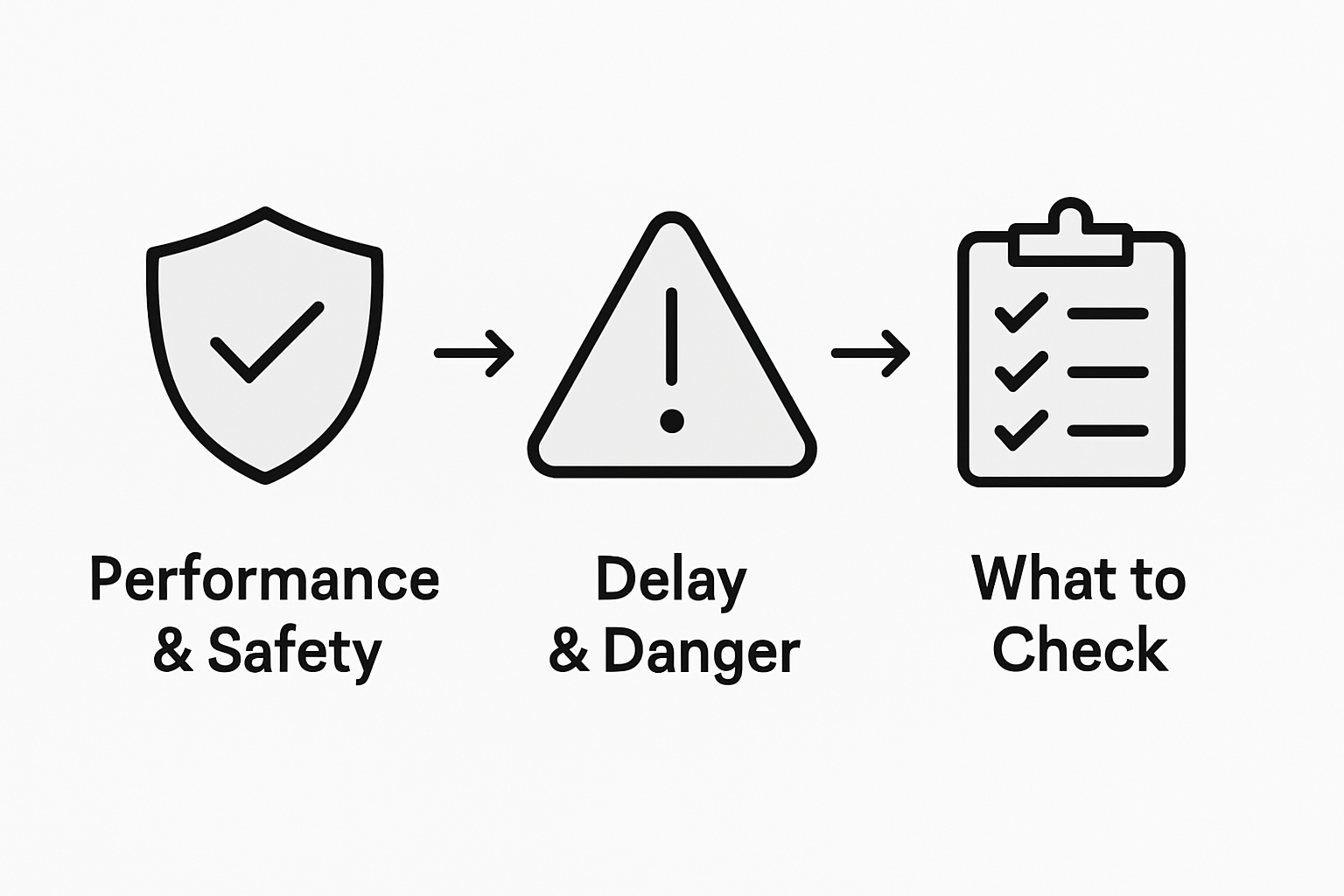
The primary risks associated with counterfeit mobile parts include:
Performance Degradation:
- Reduced processing speed
- Inconsistent electrical conductivity
- Premature component failure
- Increased energy consumption
- Unstable system operations
Safety Hazards:
- Potential battery overheating
- Risk of electrical short circuits
- Compromised device structural integrity
- Increased likelihood of unexpected device malfunction
- Potential personal safety risks from component failure
Financial Implications:
- Voided manufacturer warranty
- Higher long-term repair costs
- Potential complete device replacement
- Loss of device functionality
- Reduced resale or trade-in value
Choosing appropriate phone parts requires careful consideration of multiple factors beyond initial cost. Technicians and consumers must recognise that seemingly economical counterfeit components often result in substantially higher expenses through repeated repairs or total device failure.
Professional repair specialists understand that protecting device investment means selecting high-quality, authenticated replacement parts. Systematic risk assessment, thorough component verification, and purchasing from reputable suppliers are critical strategies for mitigating the substantial dangers posed by counterfeit mobile parts.
Practical Tips To Avoid Fake Components
Avoiding counterfeit mobile components requires a strategic and methodical approach that protects both financial investment and device performance. Professional technicians and consumers must develop sophisticated verification techniques that go beyond surface-level assessments.
Critical strategies for preventing fake component acquisition include:
Purchasing Precautions:
- Buy exclusively from authorised retailers
- Verify supplier credentials and reputation
- Request comprehensive documentation
- Compare pricing with market standards
- Investigate supplier’s return and warranty policies
Authentication Techniques:
- Cross-reference serial numbers
- Inspect packaging quality
- Check manufacturer holographic labels
- Validate electronic signatures
- Request original manufacturer certificates
Technical Verification Methods:
- Conduct detailed visual inspections
- Use diagnostic testing equipment
- Compare component specifications
- Analyse electrical performance
- Verify compatibility with original device standards
Essential phone repair tools enable professionals to conduct thorough component assessments that distinguish genuine parts from sophisticated counterfeits. Systematic verification processes protect against potential device damage and financial loss.
Successful component authentication requires continuous learning, technological awareness, and a commitment to maintaining high professional standards. Technicians must stay updated on emerging counterfeit techniques, invest in advanced diagnostic tools, and develop a rigorous approach to parts verification that prioritises device integrity and customer safety.
Protect Your Mobile Investment with Genuine Parts from Buy2fix
The challenge of identifying genuine mobile parts is critical for maintaining your device’s performance and safety. This article highlights the risks of using counterfeit components that can lead to poor functionality, safety hazards, and costly repairs. At Buy2fix, we understand the importance of using authentic, high-quality parts such as LCD screens, batteries, and motherboard components that meet OEM standards and ensure your device operates flawlessly.
Explore our wide selection of Mobile Phone Repair Parts including components for leading brands like iPhone and Samsung Galaxy. We offer rigorously tested parts backed by a one-year warranty, professional-grade quality assurance, and free UK mainland shipping. Don’t risk device damage or voided guarantees—choose Buy2fix for reliable parts that protect your investment and deliver peace of mind. Visit Buy2fix today to secure genuine components from a trusted UK retailer and keep your device running smoothly.
Frequently Asked Questions
What are the key characteristics of genuine mobile parts?
Genuine mobile parts are characterised by precise manufacturing standards, OEM specifications, high-grade materials, and consistent quality control processes. They often come with certification markings and thorough quality testing documentation to ensure compatibility and performance.
How can I verify the authenticity of mobile parts?
To verify the authenticity of mobile parts, conduct physical inspections, such as checking dimensional accuracy and serial numbers, as well as technical verification processes like electronic signature analysis and performance benchmarking to confirm compatibility with original specifications.
What are the risks of using counterfeit mobile parts?
Using counterfeit mobile parts can lead to performance degradation, safety hazards such as overheating or electrical shorts, and financial implications like voided warranties and increased long-term repair costs due to potential device failure.
What precautions should I take to avoid counterfeit components?
To avoid counterfeit components, purchase from authorised retailers, verify supplier credentials, request documentation, and always compare pricing with market standards. Also, inspect packaging quality and verify authenticity through serial numbers and manufacturer holographic labels.
Recommended
- Understanding How to Choose Phone Parts for Repairs – buy2fix
- Understanding OEM vs Aftermarket Parts for Smartphones – buy2fix
- Samsung Mobile Phone Insurance: Protection, Pitfalls, Costs – buy2fix
- Best Smart Watch for Android – Expert Comparison 2025 – buy2fix
- Ersatzteilbatterie erklärt: Definition, Arten, Anwendung - accu.blog
Let customers speak for us
I ❤️ love it, it's absolutely amazing I'm sooo happy 😊

Great

I saw this item and it was just what I was looking for. I found it here but not in Amazon or e-bay. However, it was in UK, I was surprised to find that they were able to ship it to the US. Excellent company, would do business with again

This is great for when out and about, to sharpen either coloured pencils, or watercolour pencils….would order again.

Great items would bye again

I have purchased several items from this store before. Recently, I encountered an issue with my latest order. After reporting the problem to customer support, they were consistently attentive and made every effort to resolve the situation. Upon investigation, they acknowledged the issue and promptly fixed it. This experience has increased my level of trust in this store.
Thank you so much. I'm so happy.

très bien

BC70 Car Bluetooth 5.0 FM Transmitter Radio Adapter Dual Display Wireless Handsfree Call MP3 Music Player QC3.0 PD USB Charger

A quite sturdy cover, if you are looking for full protection and a more business-like style, this cover perfectly fulfills its purpose.
The shipping was fast, and it was delivered in perfect condition.

For LG TV Bluetooth Handheld Infrared Voice Multi-Function Remote Control(AKB75855501)

Tusen tack för bästa service och produkt som jag vänlig önskar dig tack

Works correctly and no issues so far

Took a while to get here but it was all good, watch looks brand new after replacement

What a fantastic 👏🏻 stylish case that has helped my phones temperature in the heatwave!!
Perfect 👌🏻 also it's cool as f##k
