

iPhone 11 battery prices and DIY replacement: Real costs
TL;DR:
- UK iPhone 11 battery replacements vary from £85 for Apple to as low as £7.99 for DIY kits.
- Choosing reputable suppliers with clear warranties reduces safety risks and ensures better performance.
- DIY replacements save money but require proper tools, patience, and caution to avoid damage.
If you own an iPhone 11 in the UK, there’s a good chance your battery is starting to let you down. Whether it’s draining by midday or shutting off unexpectedly, the instinct for many is to head straight to Apple. But at £85 to £95 for an out-of-warranty replacement, that’s not always the smartest move. The truth is, UK users are often overpaying by a significant margin simply because they don’t know what their real options are. This guide lays out the full picture: actual costs, tools required, supplier red flags, and how to make the right call for your situation.
Table of Contents
- What does a new iPhone 11 battery actually cost?
- DIY battery replacement: What you need and what it really costs
- How to spot reliable battery suppliers in the UK
- Should you choose Apple, a repair shop, or DIY?
- Why most UK DIY battery buyers still get it wrong
- Want guaranteed quality for your next iPhone battery?
- Frequently asked questions
Key Takeaways
| Point | Details |
|---|---|
| Wide price range | A new iPhone 11 battery costs anywhere from £7.99 for DIY to £95 at Apple in the UK. |
| DIY can save money | Doing it yourself can save you £40–£80 compared to Apple service if you have the right tools and confidence. |
| Supplier quality is crucial | Use trusted UK suppliers with warranty—cheap imported batteries can be risky or unsafe. |
| Battery health indicator | Only Apple fitted batteries show accurate health readouts on your iPhone 11 settings. |
What does a new iPhone 11 battery actually cost?
Prices for iPhone 11 battery replacement vary far more than most people expect. Knowing the exact numbers for each route helps you make a genuinely informed decision rather than defaulting to the most expensive option out of habit.
The official Apple route will set you back £85 to £95 including parts and labour, and you get a 90-day warranty on the work. That price includes a genuine Apple battery and the reassurance of Apple-trained technicians. For some users, that peace of mind is worth every penny.
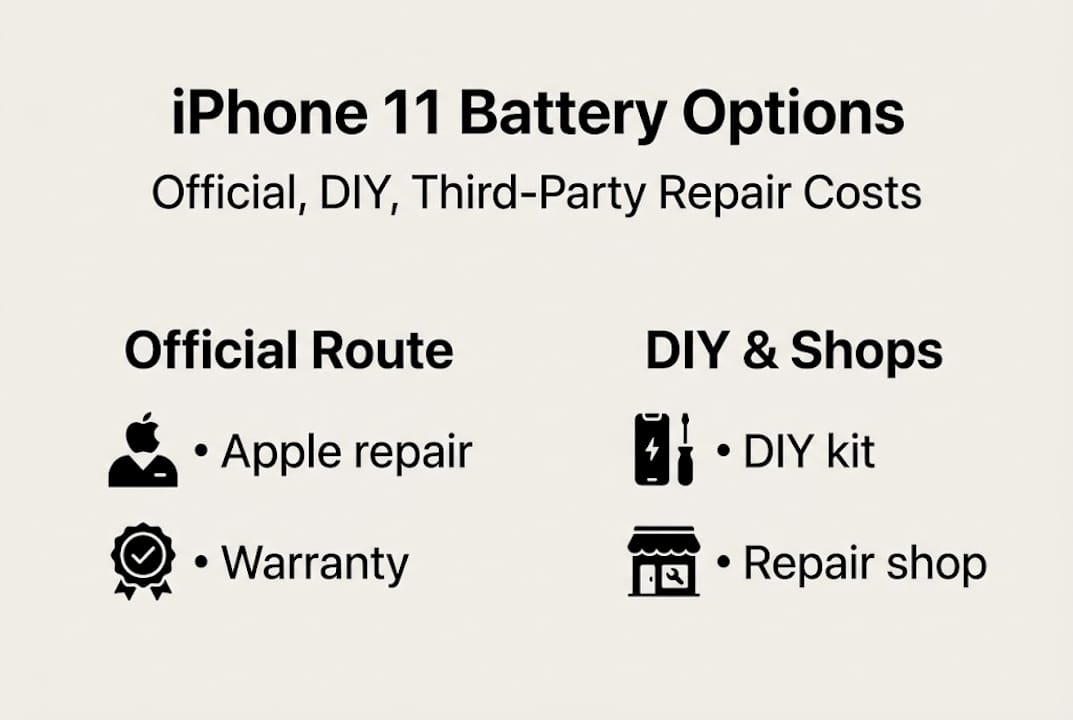
At the other end of the scale, DIY battery kits range from £7.99 to £40, with the more reliable aftermarket options sitting in the £20 to £40 bracket. You’re doing the labour yourself, so the only outlay is the part and any tools you don’t already own. Independent repair shops typically charge somewhere in the middle, between £40 and £70, and many offer their own warranty on the repair.
The potential saving is substantial. Choosing DIY or a reputable third-party shop over Apple can save you anywhere from £40 to £80 on a single repair. For a phone that’s several years old, that’s a meaningful difference.
Here’s a quick comparison to make the numbers easy to read:
| Option | Typical cost | Warranty | Labour included |
|---|---|---|---|
| Apple official | £85 to £95 | 90 days | Yes |
| Independent repair shop | £40 to £70 | Varies | Yes |
| DIY kit (quality) | £20 to £40 | Varies by seller | No |
| DIY kit (budget) | £7.99 to £15 | Rarely | No |
For a broader look at how these iPhone 11 battery prices in 2026 compare across suppliers, it’s worth doing your research before committing. The iPhone 11 replacement cost guide also breaks down what you’re actually paying for at each tier. According to independent repair cost data, prices across the UK vary by region too, so local repair shops in smaller towns may charge less than those in city centres.
DIY battery replacement: What you need and what it really costs
Seeing the price difference is one thing. Understanding what’s actually involved in a DIY replacement is another. Let’s get practical.
A quality aftermarket battery kit for the iPhone 11 typically costs between £20 and £40 and usually includes the battery itself along with basic tools. However, if you want to do the job properly, you’ll need a few specific items:
- Pentalobe screwdriver (P2 size) to remove the two screws at the bottom of the phone
- Tri-point Y000 screwdriver to remove the battery connector bracket inside
- Suction cup to lift the screen away from the chassis without cracking it
- Spudger or plastic pry tool to disconnect cables without damaging them
- Adhesive strips to secure the new battery in place (often included in kits)
The process itself involves removing the screen, disconnecting the battery connector, peeling off the adhesive tabs beneath the old battery, and reversing the steps with the new one. It sounds straightforward, but the full process takes 1 to 2 hours for most first-timers, and that estimate assumes nothing goes wrong.
“The biggest risk in DIY battery replacement isn’t the battery itself. It’s the flex cables near the screen connector, which can tear if you rush the opening stage.”
The risks are real and worth naming clearly. You could crack the display if the suction cup slips. You could tear a flex cable if you’re too forceful. And if you use a non-genuine battery, iOS may not display the battery health percentage in Settings, which some users find frustrating.
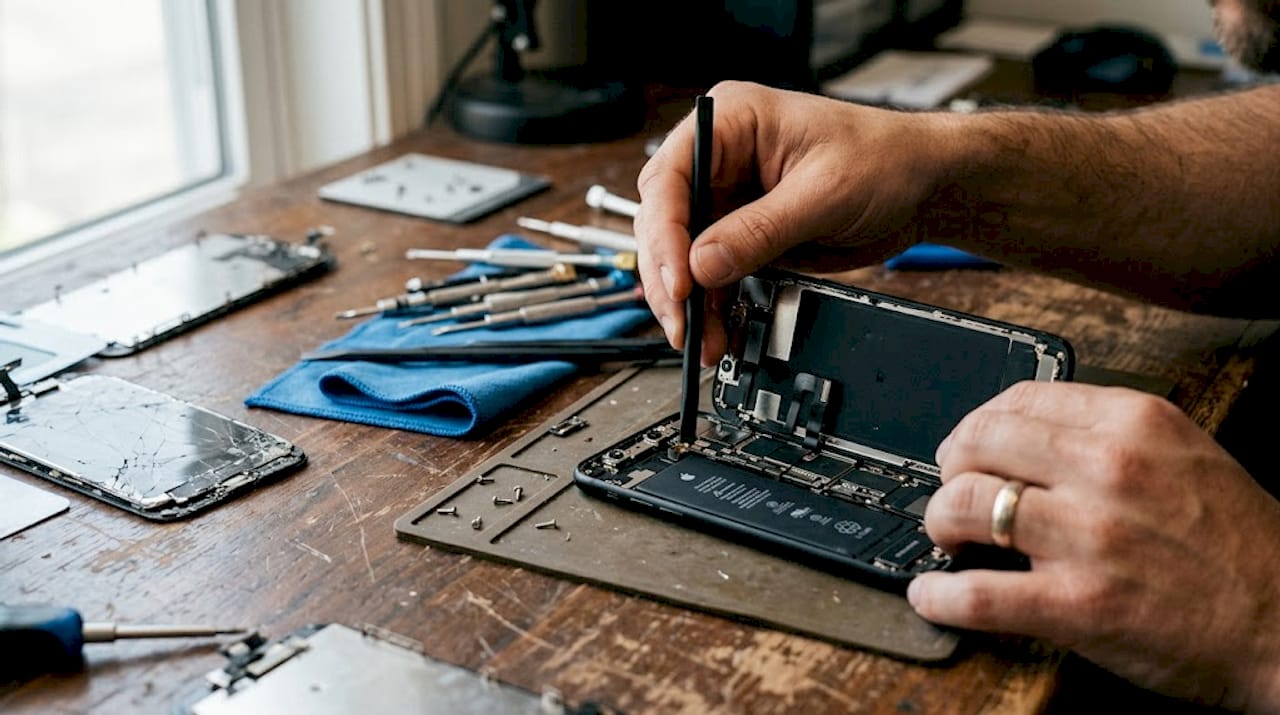
Pro Tip: Discharge your iPhone 11 to below 25% before starting. A partially charged lithium battery is safer to handle and reduces the risk of a thermal event if the casing is accidentally punctured.
For a detailed breakdown of what each step involves, the detailed battery replacement costs guide covers the full picture alongside pricing context. The cost-to-time tradeoff is genuinely worth considering. If your time is valuable, a local repair shop at £50 might make more sense than spending two hours on a DIY job.
How to spot reliable battery suppliers in the UK
Before you buy, it’s crucial to know how to tell the difference between a genuine bargain and a risky purchase. The battery market has some real pitfalls.
The most obvious red flag is a battery advertising an impossibly high capacity. The iPhone 11 has an original battery capacity of 3,110mAh. If you see a listing claiming 5,000mAh or even 6,000mAh, that is almost certainly a scam. Lithium batteries physically cannot fit that capacity into the same form factor. These products often use falsified labels and can be genuinely dangerous.
Here’s a checklist to help you choose a reputable UK supplier:
- Realistic capacity claims: Look for batteries rated at or near 3,110mAh
- Clear warranty terms: At least 6 months, ideally 12, stated explicitly before purchase
- UK-based returns policy: Easier to resolve disputes under UK Consumer Rights Act 2015
- Verified reviews: Look for reviews that mention battery longevity, not just delivery speed
- Transparent specifications: Voltage, capacity, and compatibility clearly listed
- No vague branding: Avoid sellers who can’t name the manufacturer or source
“Prioritise trusted suppliers with warranty and avoid batteries claiming exaggerated capacities. The difference between a safe battery and a dangerous one often comes down to who sold it.”
Another thing to be aware of is the battery health display issue. Non-genuine batteries typically won’t show the battery health percentage in iOS Settings. This isn’t a safety issue, but it does mean you lose a useful diagnostic tool. Some premium aftermarket batteries from established sellers do support health reporting, so it’s worth asking before you buy.
Pro Tip: Search the seller’s name alongside “review” or “UK” before purchasing. A supplier with no traceable history, no physical address, and only five-star reviews posted in the same week is a warning sign.
The complete replacement cost guide includes further guidance on what to look for in a trustworthy supplier if you want more detail.
Should you choose Apple, a repair shop, or DIY?
You know the costs and what to look out for. Now the real question: which route actually suits you?
| Option | Cost | Battery health shown | Warranty | Skill needed |
|---|---|---|---|---|
| Apple official | £85 to £95 | Yes | 90 days | None |
| Independent shop | £40 to £70 | Usually yes | Varies | None |
| DIY (quality kit) | £20 to £40 | Sometimes | Varies | Moderate |
Apple ensures a genuine part, accurate health reporting, and a warranty backed by the manufacturer. The tradeoff is cost. If you have AppleCare+, the replacement may be covered or heavily discounted, which changes the calculation entirely. Check your coverage before paying out of pocket.
The Apple repair service is the right choice if you want zero risk, you’re not confident with tools, or your phone is still under any form of Apple warranty.
Independent repair shops sit in a sensible middle ground. Many use quality aftermarket or even genuine Apple parts, and a good local shop will stand behind their work. Ask about parts sourcing and warranty before handing your phone over.
DIY makes the most sense if you’re reasonably comfortable with small electronics, you’ve watched a reliable tutorial, and you’ve sourced a quality battery from a reputable UK seller. The savings are real. The risks are manageable with care.
- Choose Apple if: You have AppleCare+, you want genuine parts, or you’re not confident doing it yourself
- Choose a repair shop if: You want professional labour without Apple prices
- Choose DIY if: You’re comfortable with tools, have time, and want maximum savings
Why most UK DIY battery buyers still get it wrong
Even with all the facts available, a surprising number of UK buyers make the same avoidable mistakes. They either go straight to Apple without checking their options, or they go the opposite direction and buy the cheapest possible battery from an unknown seller.
Neither extreme serves you well. The real sweet spot is a quality aftermarket battery from an established UK supplier with a clear warranty. Quality aftermarket batteries from reputable sources genuinely can match OEM performance for everyday use. The difference between a £12 mystery battery and a £30 battery from a verified UK seller isn’t just peace of mind. It’s cycle life, thermal stability, and whether your phone still works properly in six months.
What we’ve seen consistently is that buyers who take ten minutes to check seller reputation, warranty terms, and capacity claims almost always have a better outcome than those who just click the cheapest listing. The complete battery guide is a useful reference point if you want to cross-check a supplier before buying. Smart sourcing is the single biggest factor in a successful DIY repair.
Want guaranteed quality for your next iPhone battery?
If you’re ready to replace your iPhone 11 battery and want to do it with confidence, Buy2Fix UK is a trusted UK-based supplier offering quality aftermarket and genuine parts with free mainland UK shipping and a one-year warranty. Whether you’re a first-time DIYer or an experienced technician, you’ll find the right battery kit alongside clear guidance on what you need. Before you buy anywhere, explore our cost breakdown to understand exactly what you’re getting for your money. Quality parts, honest pricing, and real UK consumer protection make Buy2Fix the sensible choice for your next repair.
Frequently asked questions
Does a DIY battery affect battery health readout on iPhone 11?
Aftermarket batteries typically do not display the battery health percentage in iOS Settings, as this feature is tied to genuine Apple components. Some premium aftermarket options from established sellers do support health reporting, so it’s worth confirming before you purchase.
What tools do I need to replace an iPhone 11 battery myself?
You’ll need a pentalobe screwdriver, a tri-point Y000 screwdriver, a suction cup, and a spudger to safely open the phone and disconnect the battery without damaging internal cables.
How long does a DIY battery replacement take and is it risky?
Most beginners should allow 1 to 2 hours for the full process, and the main risks involve tearing flex cables or cracking the display if the phone is opened too forcefully.
Is there a warranty on DIY or third-party replacement batteries?
Quality aftermarket options typically offer 6 to 12 months warranty, but you should always confirm warranty terms with the seller before completing your purchase.
Recommended
- iPhone 11 battery replacement costs: Reliable options explained – buy2fix
- iPhone 11 Battery Replacement: Complete Cost Guide – buy2fix
- How much is an iPhone 11 battery replacement in 2026 – buy2fix
- Complete Guide to iPhone X Battery Replacement Cost – buy2fix
- Belkin Portable Charger, Power Bank 10,000mAh w/ Qi2, Portable iPhone Charger – MagSafe Compatible w/Built-in Pop-up Kickstand for iPhone 16, 15, 14, 13, Plus, Pro, Pro Max, and More – White – On Point Wholesale
Let customers speak for us
For Samsung Galaxy A26 SM-A266B Original Earpiece Speaker with Cable

Very good communication throught. Good product

Well made part very strong easy to fit great value for the money

Well packed, with fast shipping :)

Exactly what the doctor ordered…great color, comfort, and durability. Trust this watch band!

Brilliant strap, second purchase, bought bracelet before. Excellent value. Thank you

Great item for splitting your Audio signal

Outstanding product!
Next level customer service.

Very satisfied but the delivery needs to get more faster...

Good price,quick delivery

Best phone case ever! This is my second one as I broke my first. Would defo recommend

Great fitting Apple Watch bands

For Apple Watch Ultra 3 / 2 / 1 49mm RedPepper Armor Metal Case Integrated Silicone Watch Band(Steel Black White)

Good price and quick postage

